Welcare Wheelchair

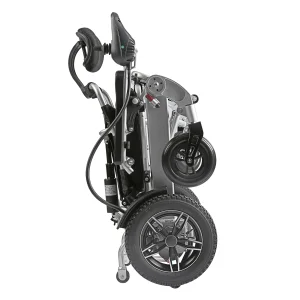


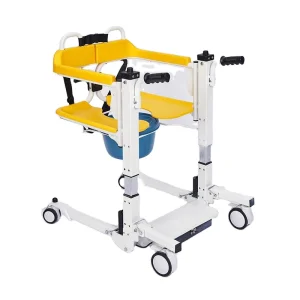
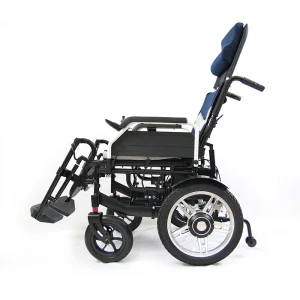
1. Clinical Foundations of "Tilt-in-Space" Technology
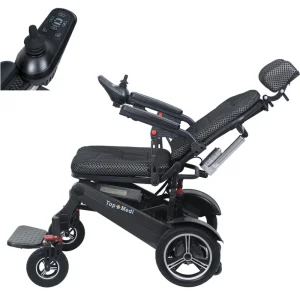
Standard reclining wheelchairs change the angle between the seat and the backrest, which can create sliding forces (shear) along the user’s back. In contrast, Tilt-in-Space technology maintains a constant angle between the seat and backrest while tilting the entire seating system backward. This design shifts pressure away from the pelvis and thighs to the larger surface of the back, helping to prevent pressure sores (decubitus ulcers).
"By rotating the seating unit around a shifting center of gravity, Tilt-in-Space mechanisms protect skin integrity, improve posture, and assist with circulation and digestion for long-term wheelchair users."
When a wheelchair tilts back, gravity helps stabilize the pelvis, preventing the user from sliding forward. This configuration reduces shear stress on the tailbone (sacrum) and sit bones (ischial tuberosities). Clinically, keeping a fixed 90-degree hip angle while tilting backward helps manage muscle stiffness (spasticity) and provides a secure positioning option for individuals with neurological conditions such as Cerebral Palsy, ALS, or advanced stroke recovery.
2. Localized User Intent & Global Application Scenarios
Medical equipment distributors and rehabilitation specialists select specialized tilt systems based on the specific clinical environment:
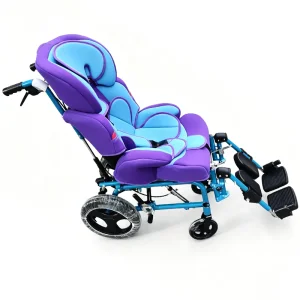
- Pediatric Development: For children with developmental delays or Cerebral Palsy, adjustable pediatric tilt systems support proper upright posture for schoolwork and social interaction, then tilt back to provide rest without requiring a transfer out of the chair.
- Geriatric & Nursing Care: Older adults prone to skin breakdown and postural collapse benefit from pressure management, assisting caregivers with daily positioning changes.
- Post-Op & Physical Therapy: Tilt systems help patients gradually adapt to upright positions after long periods of bed rest, supporting orthostatic tolerance.
3. Engineering Roadmap & Smart Technology Trends
The industry is moving toward lightweight, connected, and highly adjustable power mobility. The engineering roadmap centers on:
Smart Actuator Control
Electric motors and actuators adjust position smoothly, protecting users from sudden jars or jolts.
Brushless Hub Motors
Highly efficient electric motors provide reliable indoor and outdoor travel with low energy use.
Advanced Battery Management
High-capacity Lithium Iron Phosphate (LiFePO4) battery packs include safety circuits and meet airline travel standards.