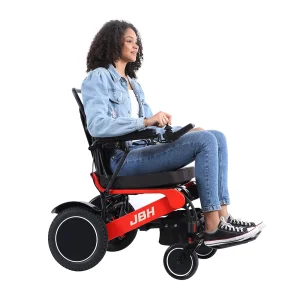
Mid-Wheel Drive Electric Wheelchairs: Korea’s New Era of Mobility

Empowering the Independence of the Aging Society in Seoul, Busan, and Beyond through Advanced Robotics and Ergonomic Engineering.

Request Commercial White Paper

The Strategic Landscape of Mobility in South Korea

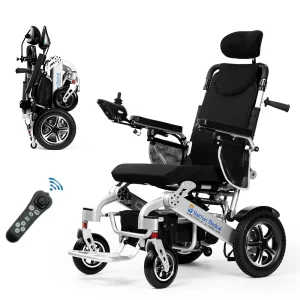
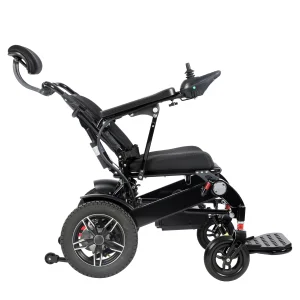
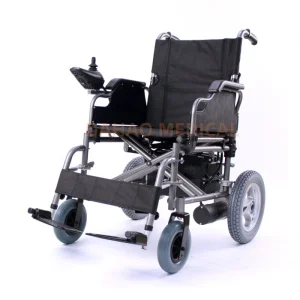
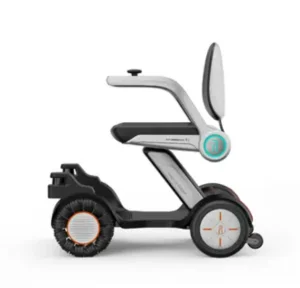
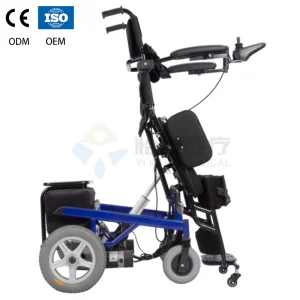
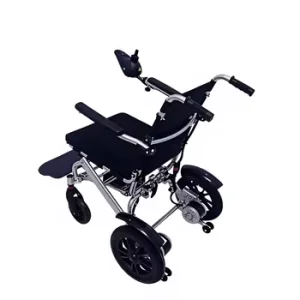
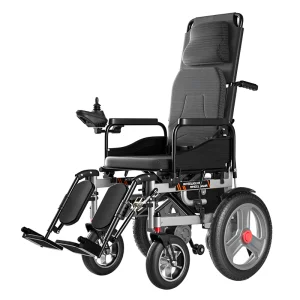
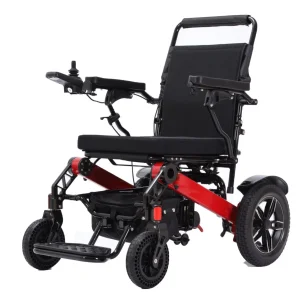
As South Korea rapidly transitions into a "super-aged society," the demand for high-performance medical mobility devices has transcended basic utility. In cities like Seoul and Incheon, where population density is among the highest globally, the Mid-Wheel Drive (MWD) electric wheelchair has emerged as the gold standard for urban navigation. Unlike front or rear-wheel drive systems, MWD technology places the drive wheels directly under the user's center of gravity, offering a 360-degree turning radius that is essential for navigating narrow Korean apartments, elevators, and crowded subway systems.

Information Gain: Modern Korean urban planning emphasizes "Barrier-Free" environments, but the legacy infrastructure of older districts still presents challenges. MWD systems provide the stability of a 6-wheel platform, ensuring that users in Seoul can traverse slight inclines and tactile paving (Braille blocks) without the tipping risks associated with traditional 4-wheel designs.

Industrial Hubs & Localized Adoption

South Korea’s "K-Mobility" movement is supported by heavy investment in rehabilitation robotics. Suppliers in Korea are increasingly looking for partners who can offer "Information Increments" in their hardware—specifically, IoT-enabled controllers that can interface with Korean smart-home standards. The industrial synergy between Korea's software prowess and China’s manufacturing efficiency (exemplified by Suzhou Welcare) creates a robust supply chain that ensures competitive lead times and high-spec customization for Korean medical retailers.

20% Korea Aging Pop. by 2025
MWD Preferred Urban Drive Type
50+ Global Export Regions
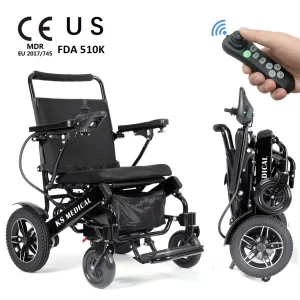
KFDA Compliance Ready Design

Technical Roadmap & Future Outlook (2025-2030)

The next decade of MWD electric wheelchairs in the Korean market will be defined by three core pillars: Lightweight Carbon Fiber Integration, AI-Assisted Obstacle Avoidance, and Universal Battery Interoperability.

  • Autonomous Indoor Navigation: Utilizing LiDAR and ultrasonic sensors to allow users to navigate Korean hospital corridors hands-free.
  • Energy Density Optimization: Shifting from standard Lead-Acid or basic Lithium to high-cycle LifePo4 batteries, extending range for the long commutes typical of the Seoul Metropolitan Subway system.
  • Biometric Feedback: Intelligent joysticks that monitor heart rate and oxygen saturation, syncing with Korea’s "Smart Silver Care" apps.
Download Technical Roadmap PDF

Suzhou Welcare: China’s Supply Chain Resilience for Korea

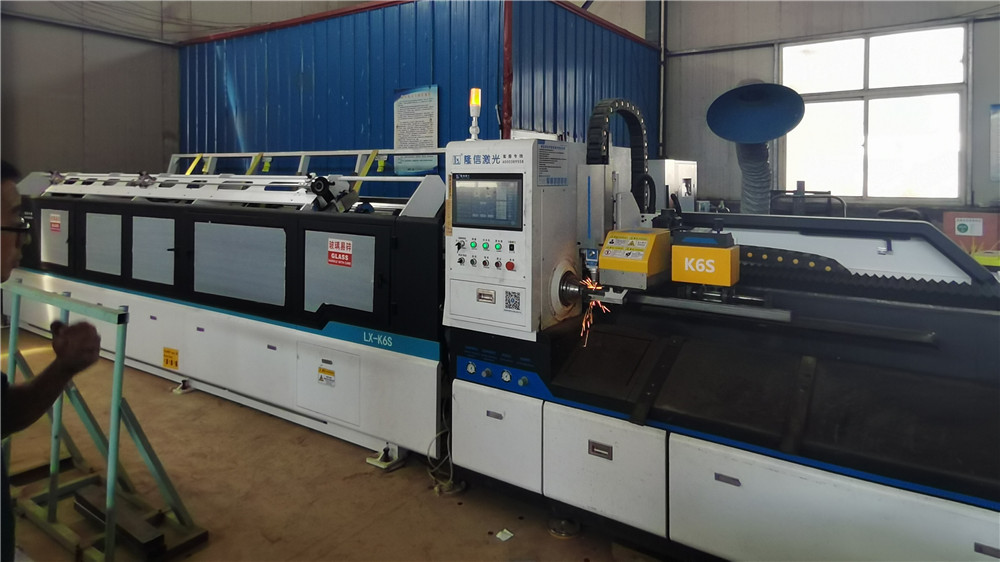
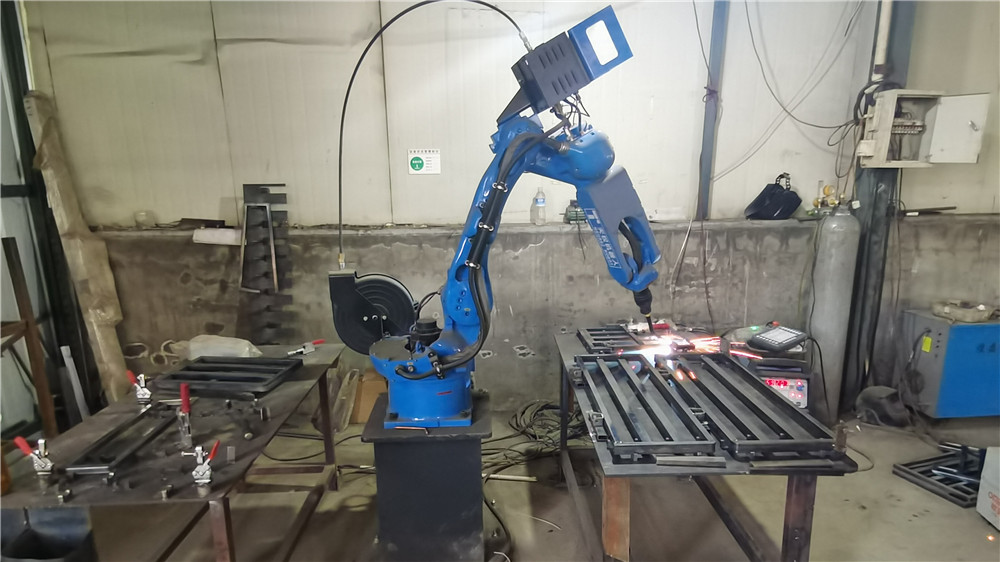
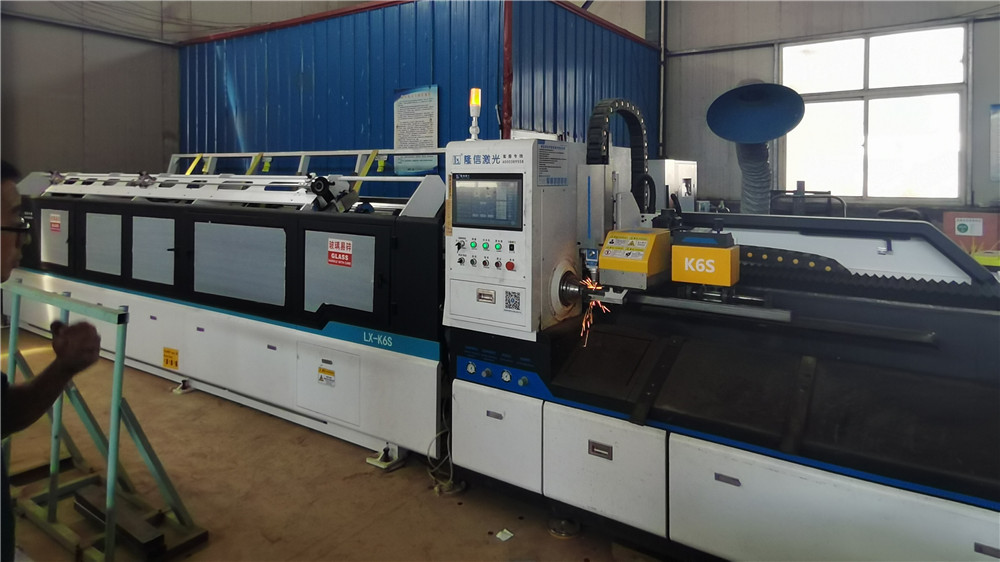
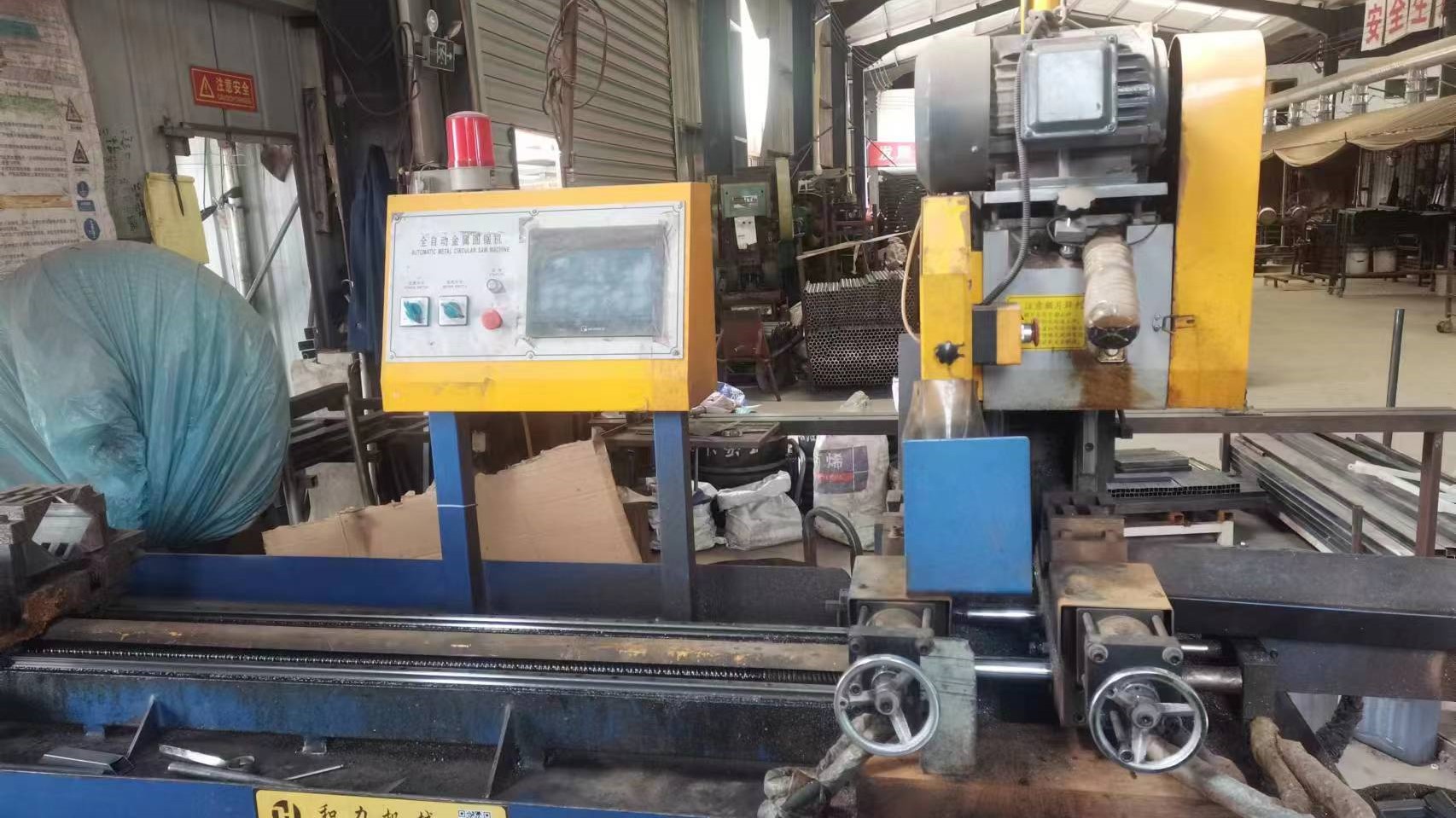
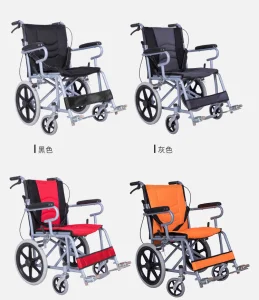
While Korean local brands focus on high-end niche aesthetics, Suzhou Welcare Wheelchair Co., Ltd. provides the foundational manufacturing resilience that allows Korean distributors to scale. Our factory in Suzhou utilizes advanced automated laser pipe cutting and robotic welding to ensure that every frame meets the rigorous durability standards required for K-DASH (Korean Disability Aid Standard). By bridging the gap between high-volume efficiency and high-precision customization, we provide Korean suppliers with a significant "Efficiency Advantage."
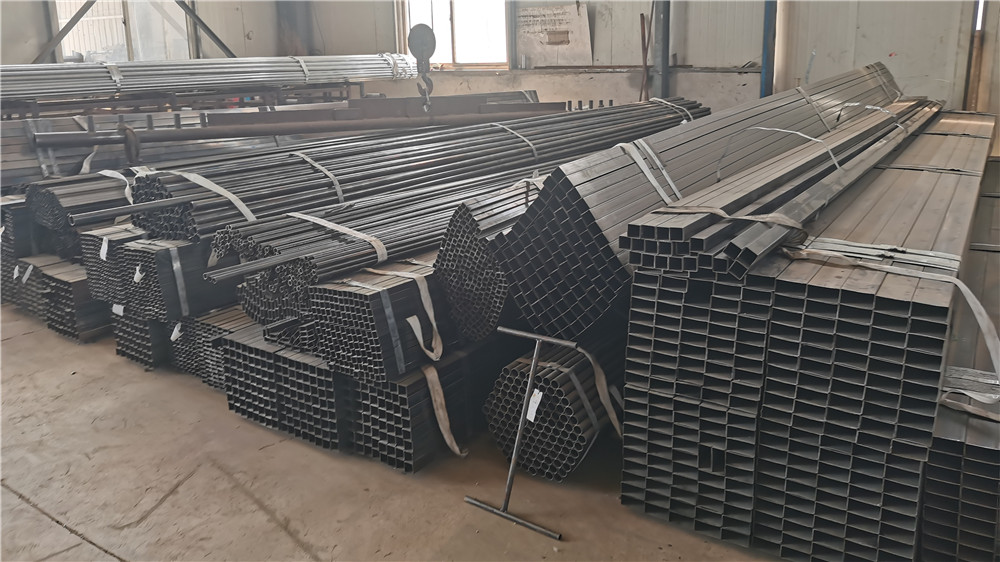
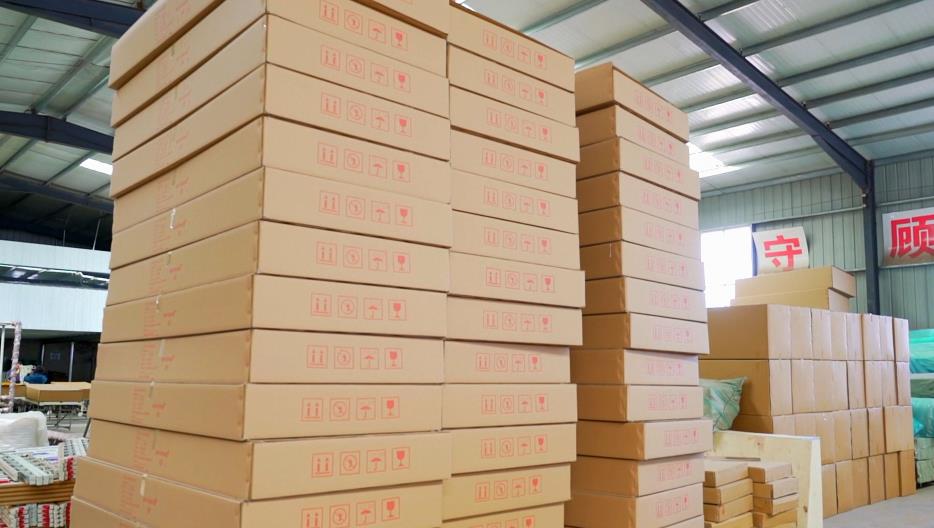
Raw Materials Warehouse
Raw Materials Selection
Precision Cutting
High-Precision Cutting
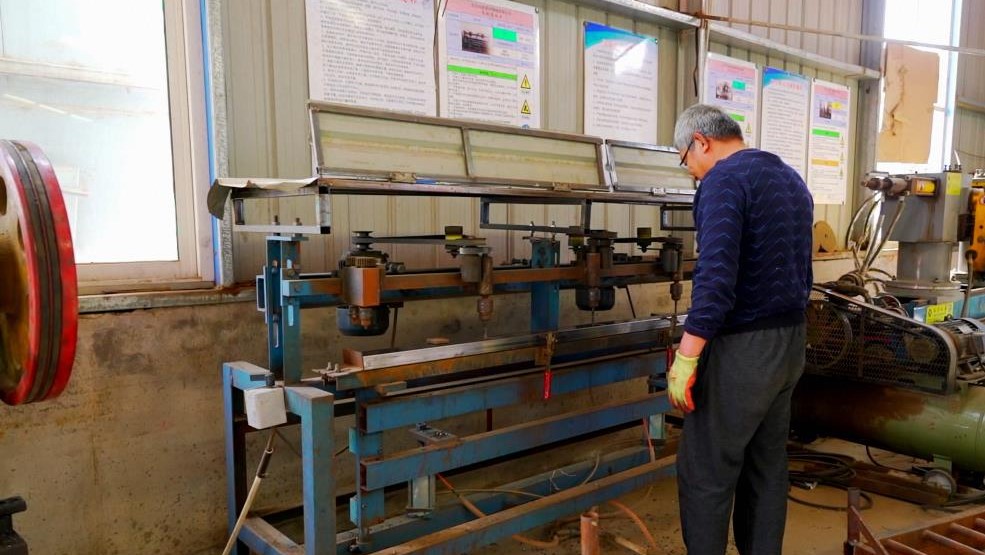
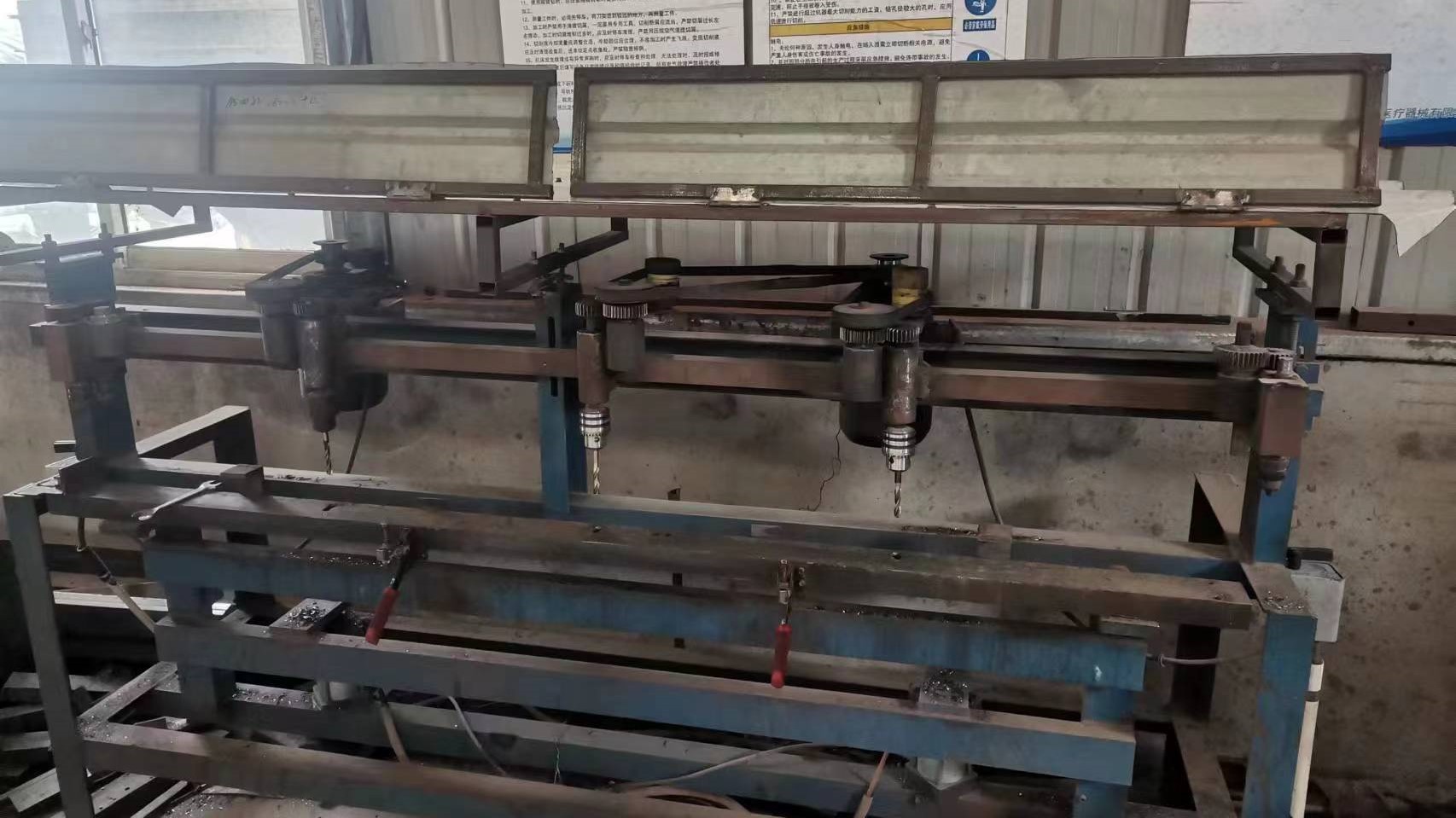
Automated Drilling
Automated Drilling
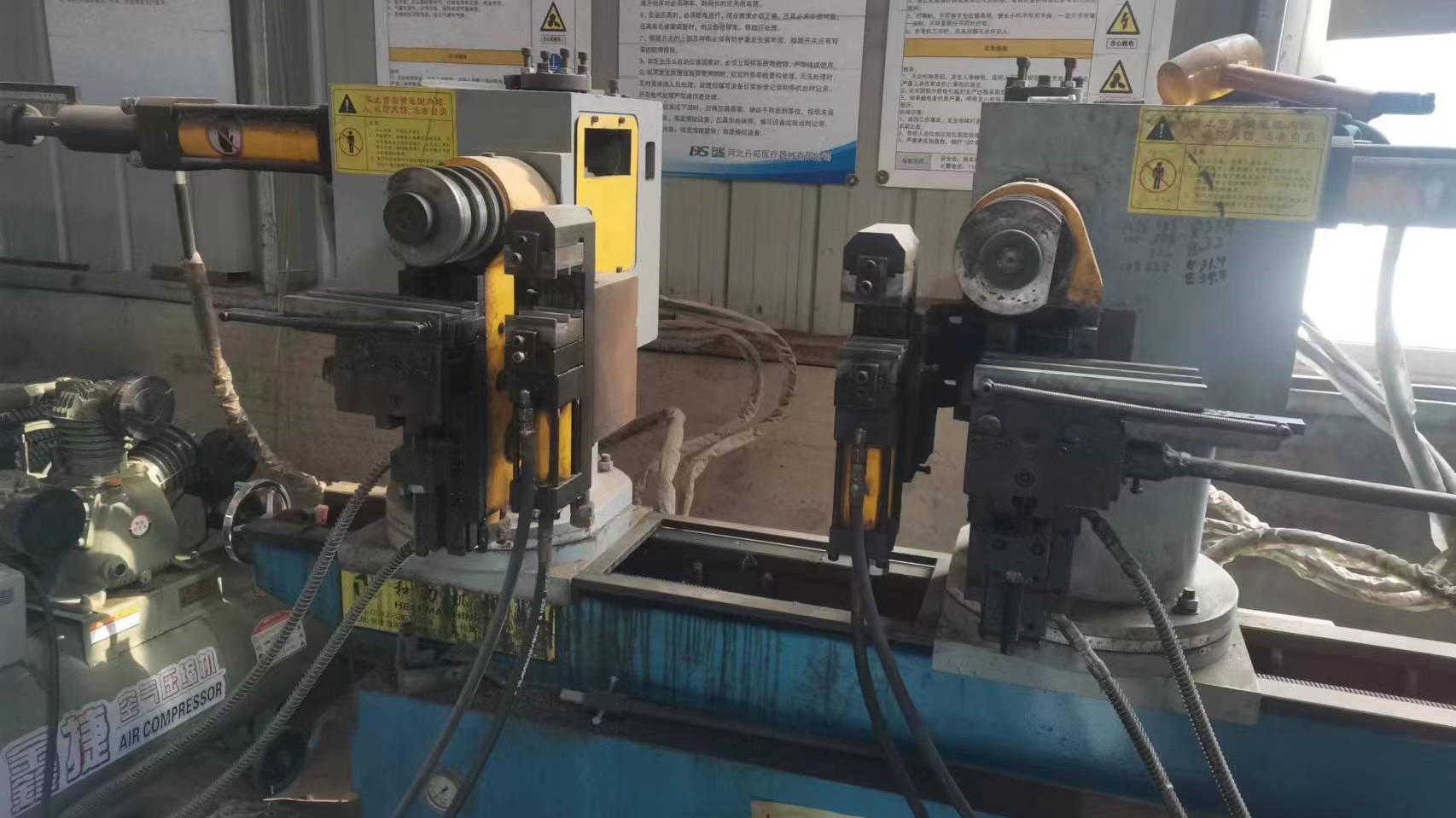
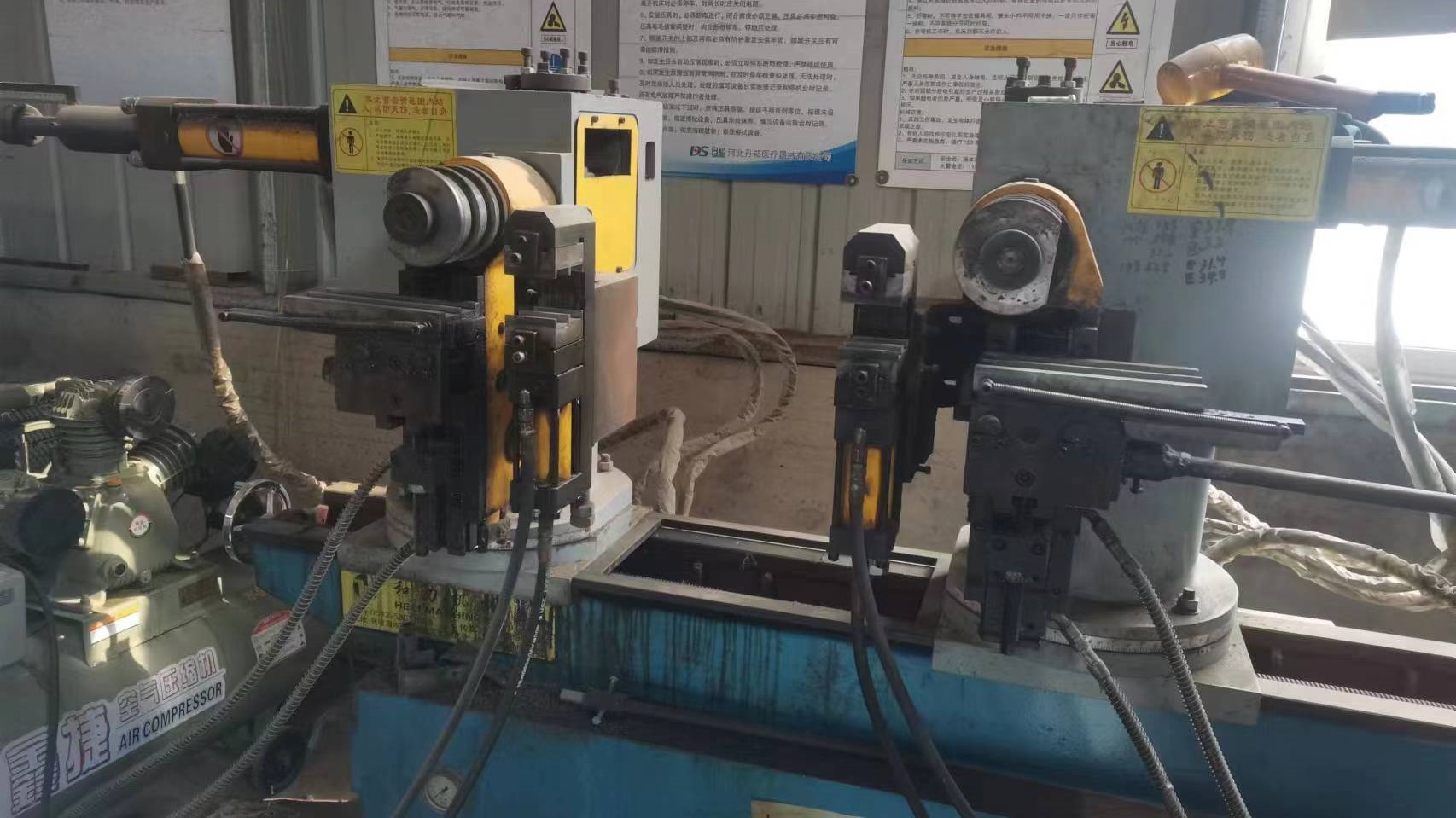
Hydraulic Bending
Hydraulic Bending
Robotic Welding
Precision Welding
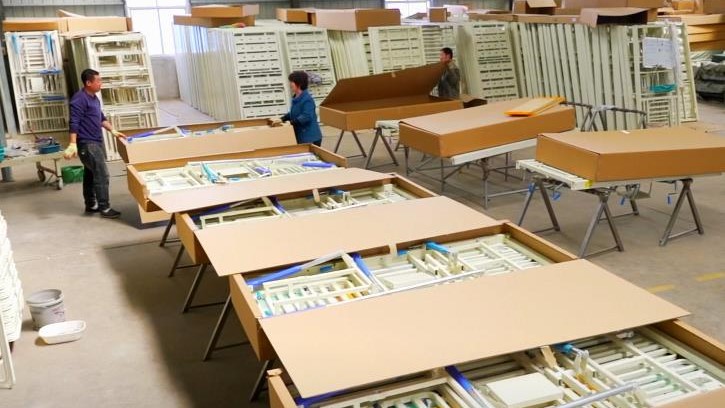
Assembly Line
Final Assembly Line
QC Finished Products
Quality Assurance
Laser Pipe Cutting
Laser Pipe Technology

Advanced Manufacturing Equipment

Auto Cutting Machine
Auto Cutting
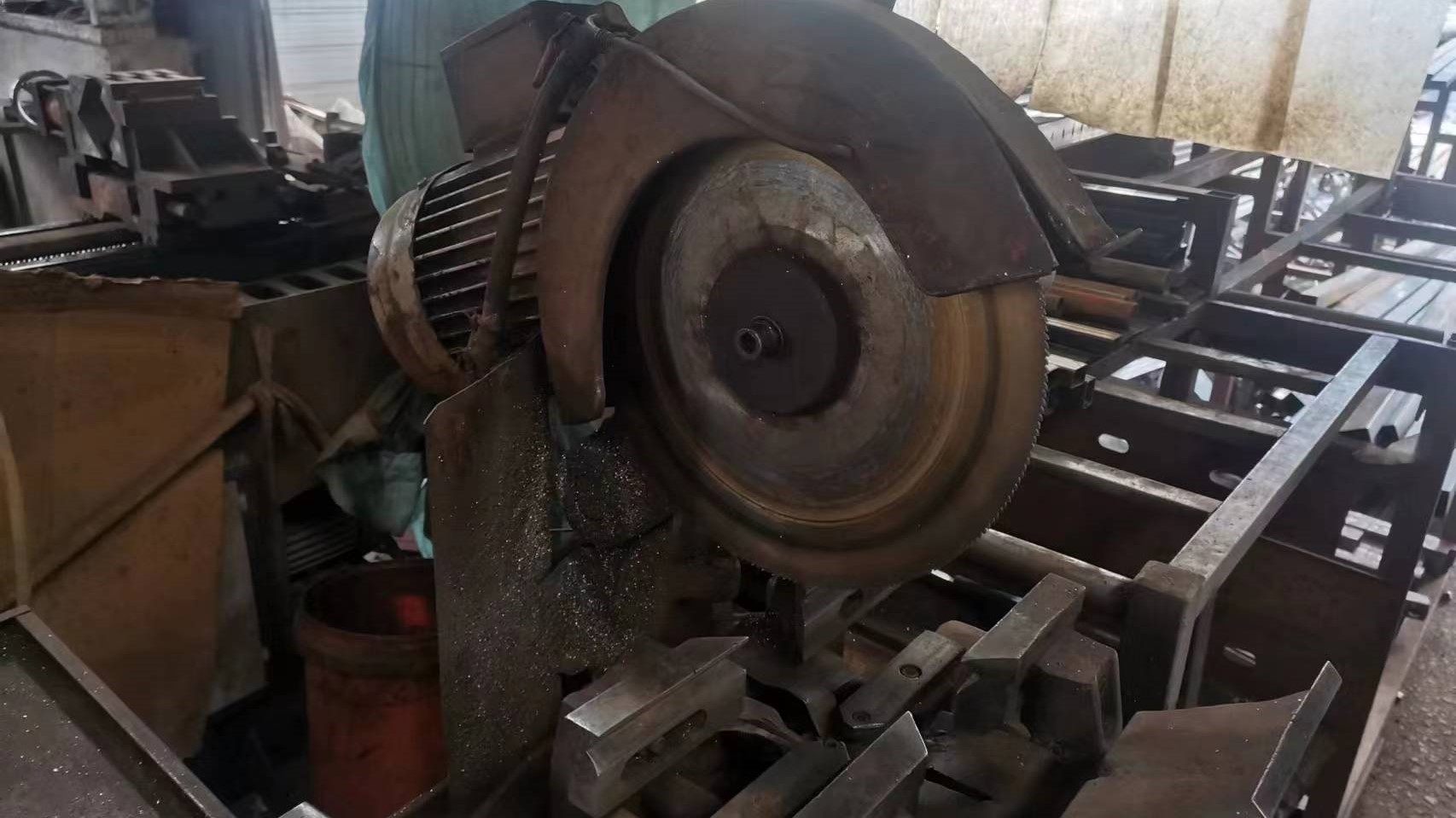
Cutting Machine
Manual Precision
Bending Machine
Bending Station
Drilling Machine
Drilling Unit

Suzhou Welcare: Empowering Mobility, Enhancing Life

Founded with a commitment to improving mobility and enhancing quality of life, Suzhou Welcare Wheelchair Co., Ltd. is a professional manufacturer and global supplier of mobility solutions. Our philosophy centers on the convergence of medical-grade reliability and consumer-level comfort. For the Korean market, we understand that "Speed to Market" and "Localized Compliance" are the most critical factors for growth.
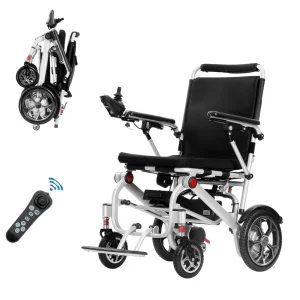
Our R&D team continuously iterates on mid-wheel drive geometry to ensure the most stable "active" lifestyle for users. With products trusted in over 50 countries, Welcare is not just a supplier; we are a strategic partner for Korean healthcare institutions and mobility retailers seeking to provide their clients with independence and dignity.

Frequently Asked Questions for Korean Importers

Why is Mid-Wheel Drive (MWD) better for Korean urban environments?
MWD wheelchairs have a central pivot point, allowing them to turn on their own axis. This is crucial for Korean "One-Room" apartments and compact elevators in cities like Seoul, where space is a premium and maneuverability is a safety requirement.
How does Suzhou Welcare ensure compliance with Korean medical standards?
Our products are manufactured under ISO 13485 quality systems. We provide full technical documentation and testing reports that align with KFDA (Korea Food & Drug Administration) and K-DASH requirements, assisting our local partners in obtaining necessary certifications.
What is the typical lead time for shipping from Suzhou to Busan?
Given our proximity to major shipping hubs in Shanghai and Ningbo, the transit time to Busan port is typically 2-4 days. Total lead time, including manufacturing and quality control, ranges from 15 to 30 days depending on the customization level.
Can the controllers be programmed for specific Korean road conditions?
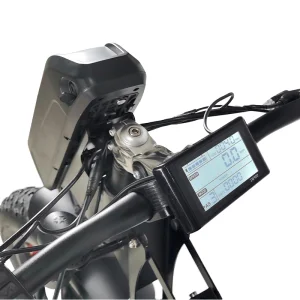
Yes. We use advanced programmable controllers (such as PG Drives Technology or our proprietary AI systems) that can be adjusted for acceleration, torque, and braking sensitivity, specifically optimized for the frequent inclines found in Korean topography.
Send Inquiry Now for Wholesale Pricing