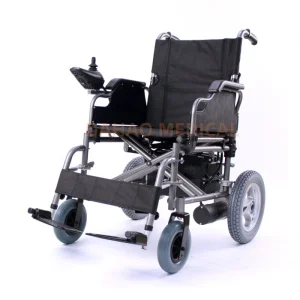
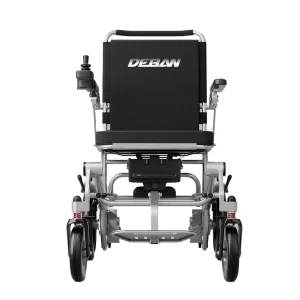
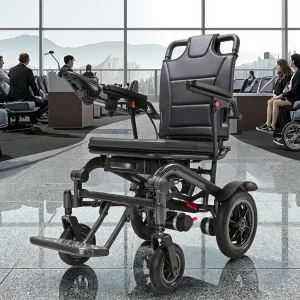
Explore our premium clinical and lightweight electric wheelchair solutions engineered for international regulatory compliance and robust everyday performance.
Understanding Search Intent & Market Shifts in the Global Electric Wheelchair B2B Landscape
The global market for personal mobility devices is undergoing an unprecedented paradigm shift. Driven by an aging baby-boomer demographic, a rising incidence of chronic motor impairments, and a strong user preference for active, independent lifestyles, the demand for compact electric wheelchairs has surged. Historically, power wheelchairs were categorized as heavy, non-foldable medical devices that required specialized hydraulic vehicle lifts for transport. Today, B2B buyers—ranging from medical equipment distributors to national healthcare providers—seek lightweight, high-performance, and easily transportable solutions that merge clinical efficacy with lifestyle compatibility.
According to recent market intelligence reports, the global electric wheelchair market is projected to reach USD 7.2 billion by 2030, growing at a compound annual growth rate (CAGR) of 8.4% from 2023. Within this domain, "compact" and "foldable" segments outpace the broader market, driven by semantic search trends around keywords like "airline approved folding power wheelchair," "lightweight electric wheelchair for seniors," and "carbon fiber electric wheelchair factory."
When procurement managers source electric wheelchairs from China, their search intent encompasses several core areas: regulatory compliance, quality control standards, material durability, and component reliability. Simply looking for a low-cost supplier is no longer sufficient. Enterprise buyers evaluate the engineering capabilities of factories, looking for verification of ISO 13485 (Medical Devices Quality Management Systems), FDA 510(k) clearances, CE MDR certification, and UKCA compliance.
Furthermore, the shift from brushed DC motors to high-torque, brushless hub motors coupled with intelligent electromagnetic braking systems (EABS) has redefined safety standards. Suppliers that fail to document these technical specifications struggle to capture high-value contracts. This whitepaper establishes a clear blueprint for sourcing teams, highlighting the core manufacturing competencies of the leading compact electric wheelchair factories, with a primary focus on the industrial capabilities of Suzhou Welcare Wheelchair Co., Ltd.
Empowering Mobility, Enhancing Life Through Advanced Manufacturing and Intelligent Engineering
Founded with a commitment to improving mobility and enhancing quality of life, Suzhou Welcare Wheelchair Co., Ltd. is a professional manufacturer and global supplier of mobility solutions, specializing in electric wheelchairs, power mobility devices, and rehabilitation equipment. At Welcare, we believe that mobility is the foundation of independence and dignity. Guided by our philosophy of combining advanced technology with human-centered design, we are dedicated to developing innovative, safe, and reliable products that empower individuals with mobility challenges, seniors, and rehabilitation users to live more active and fulfilling lives.
With years of experience in the mobility industry, Welcare has established a strong research and development team, modern manufacturing facilities, and a comprehensive quality management system. By continuously investing in product innovation, intelligent control technologies, ergonomic design, and lightweight materials, we strive to provide users with superior comfort, convenience, and performance.
Our product portfolio includes a wide range of electric wheelchairs, foldable power wheelchairs, travel mobility solutions, and customized mobility products designed to meet the diverse needs of customers worldwide. Every product is manufactured according to strict international quality standards and undergoes rigorous testing to ensure safety, durability, and reliability.
Today, Welcare products are trusted by customers in more than 50 countries and regions across North America, Europe, Asia-Pacific, the Middle East, and beyond. Through close cooperation with distributors, healthcare institutions, and mobility solution providers, we continue to expand our global presence and deliver exceptional value to users around the world.
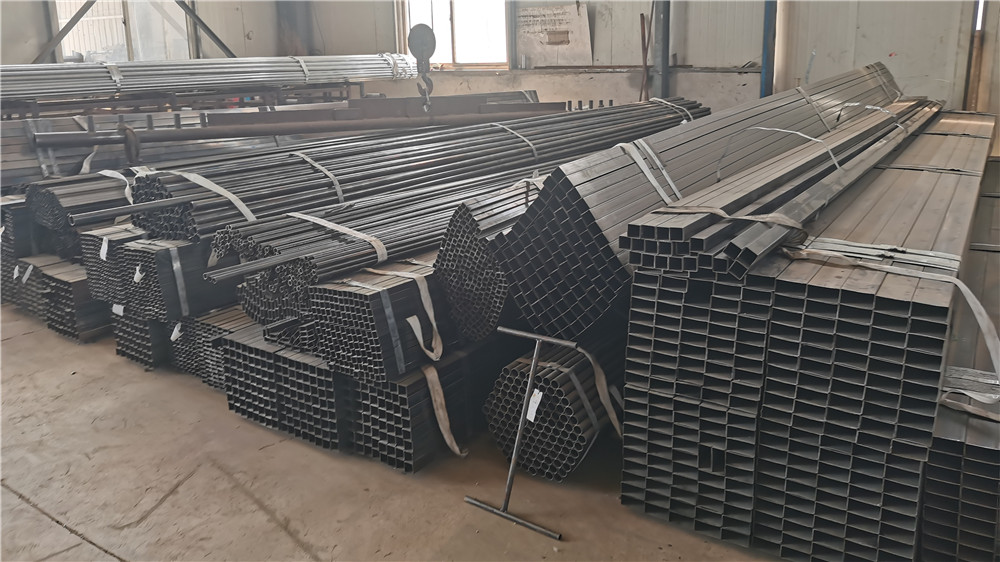
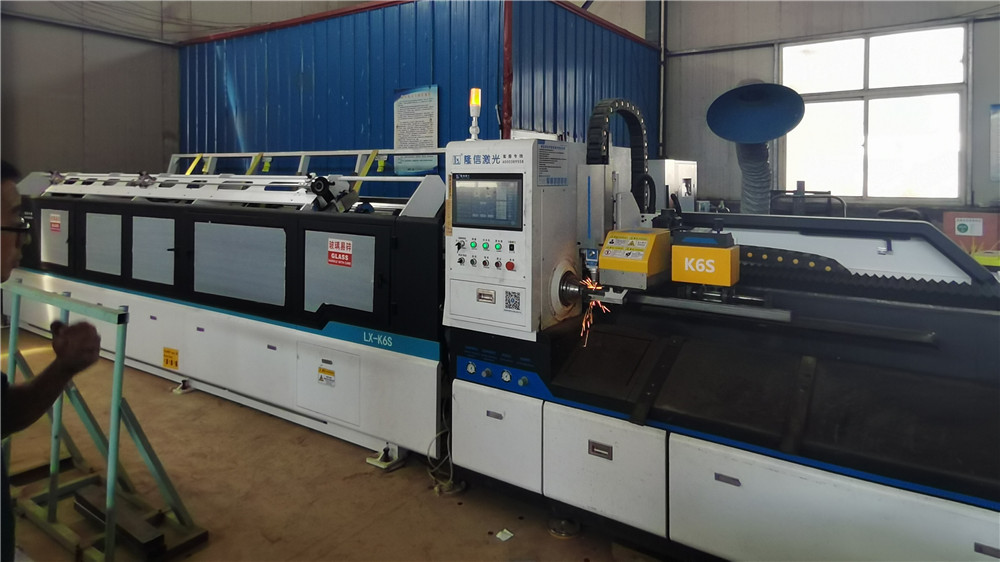
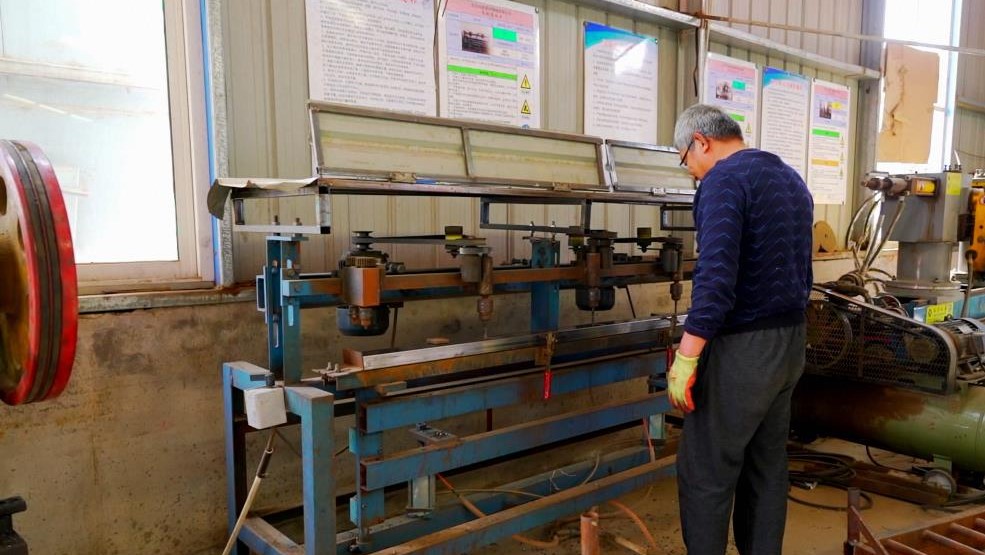
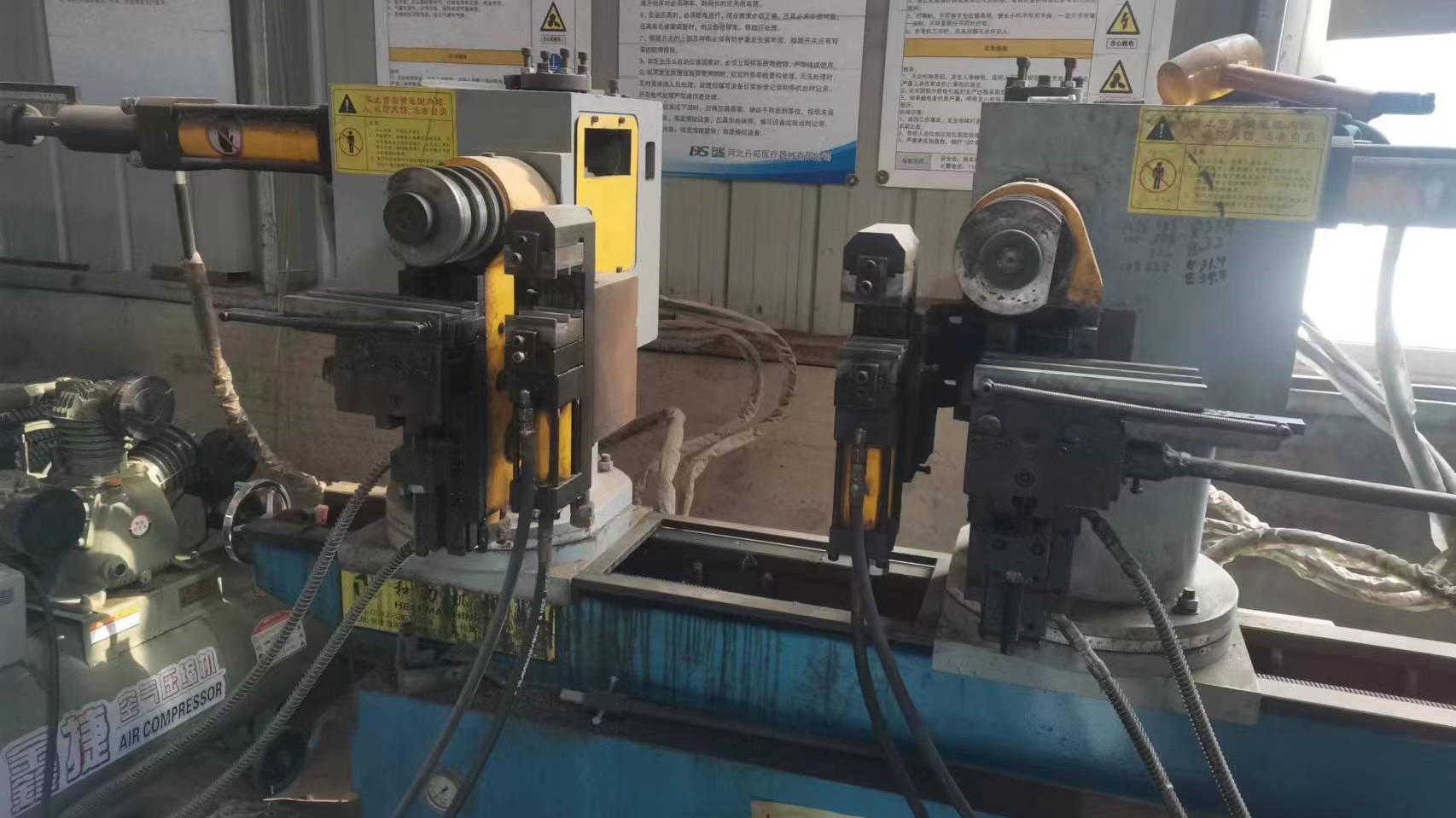
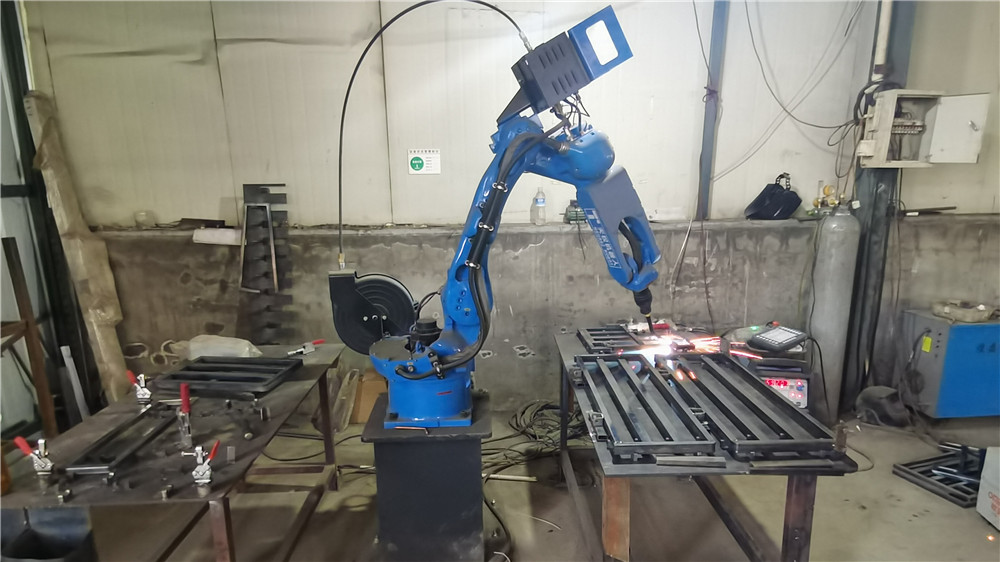
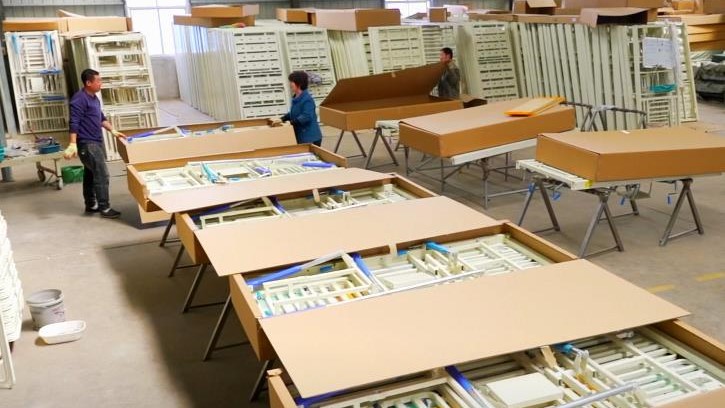
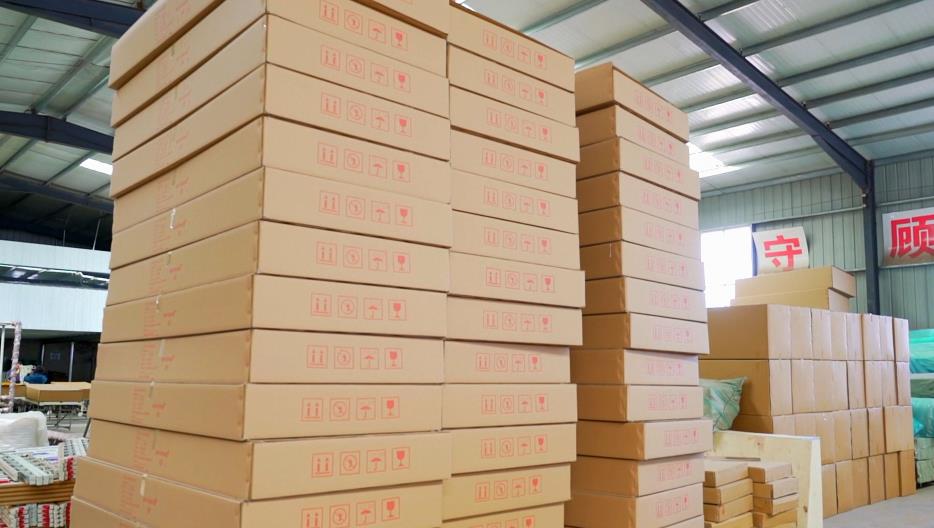
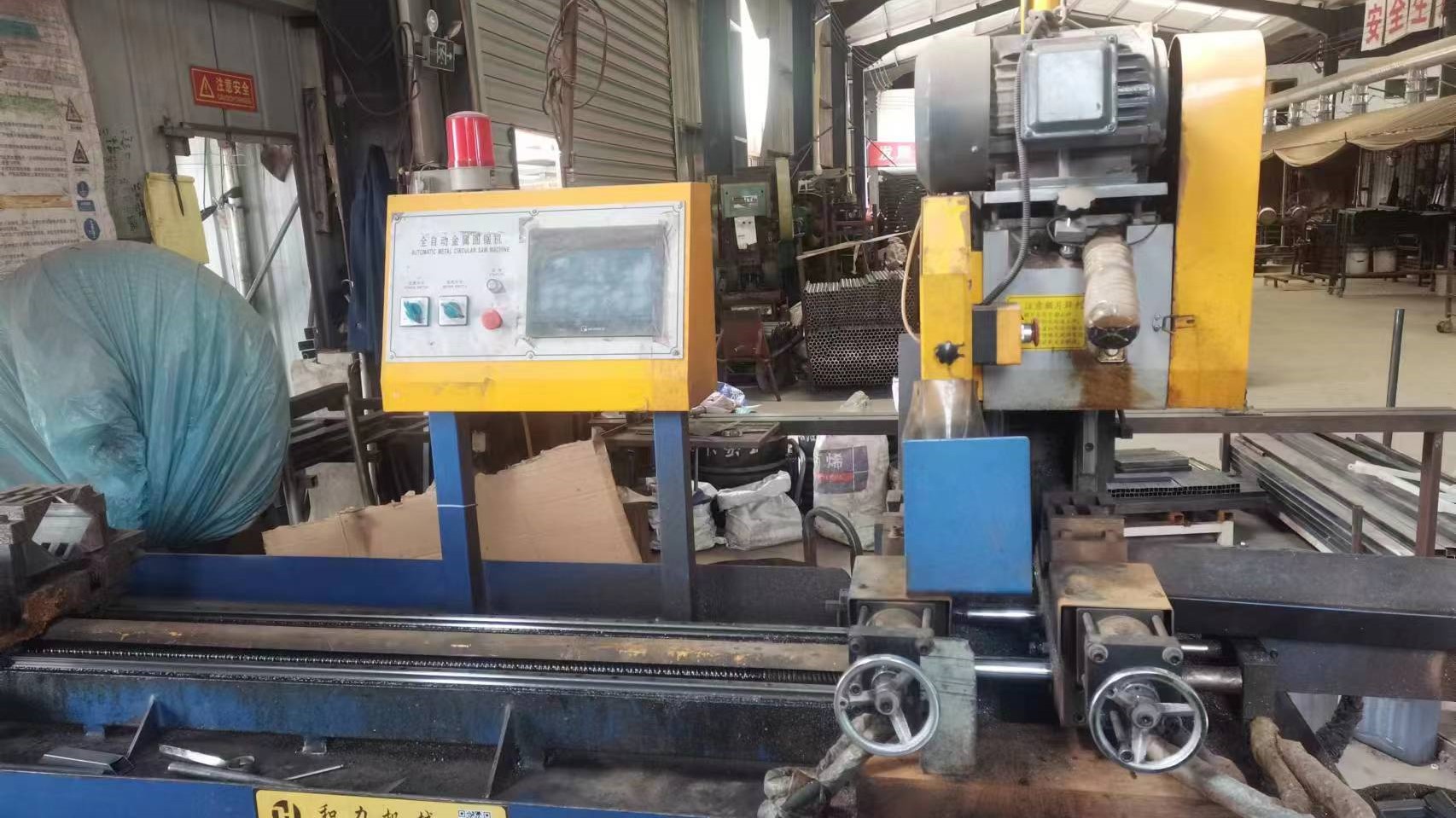
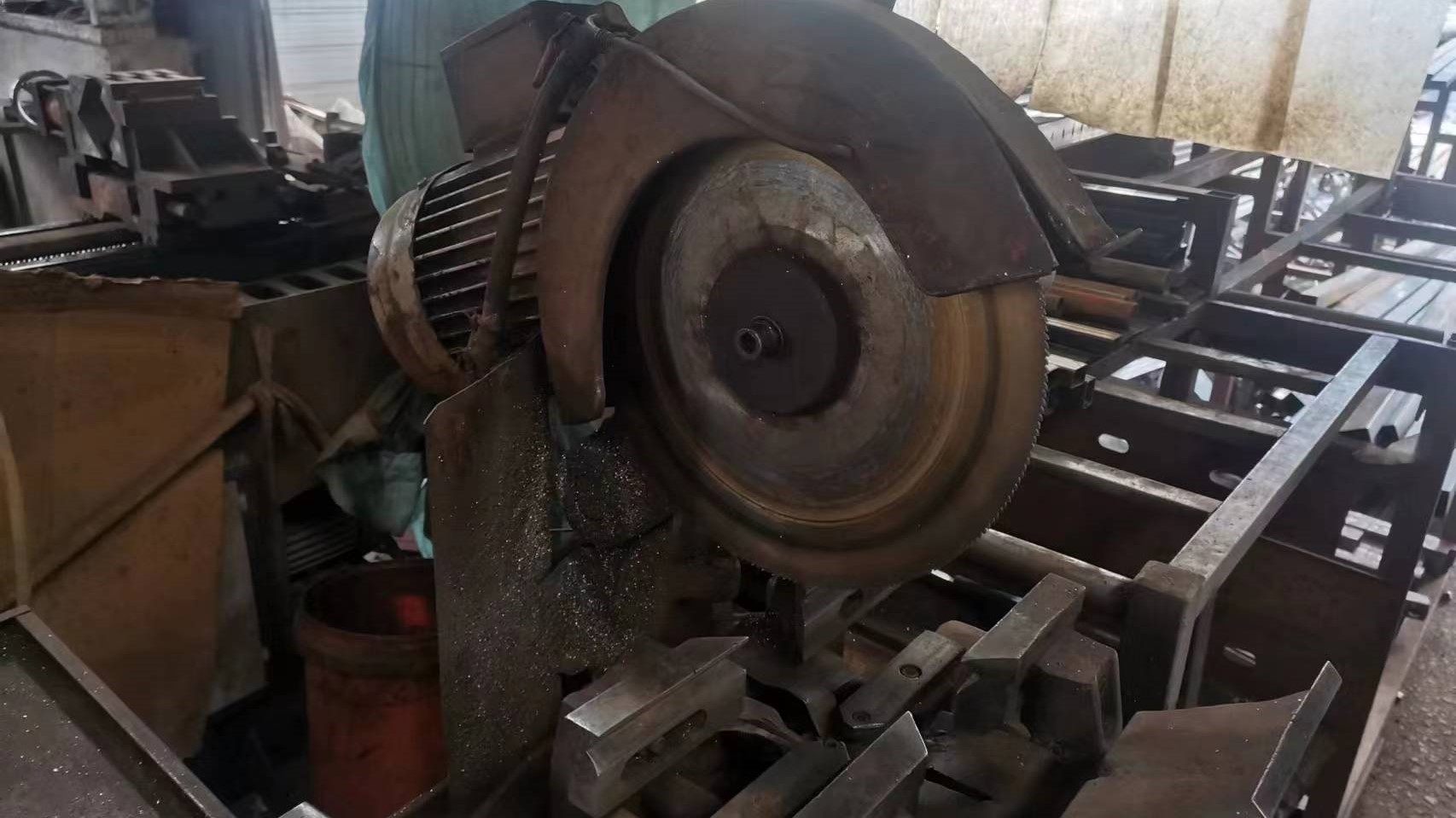
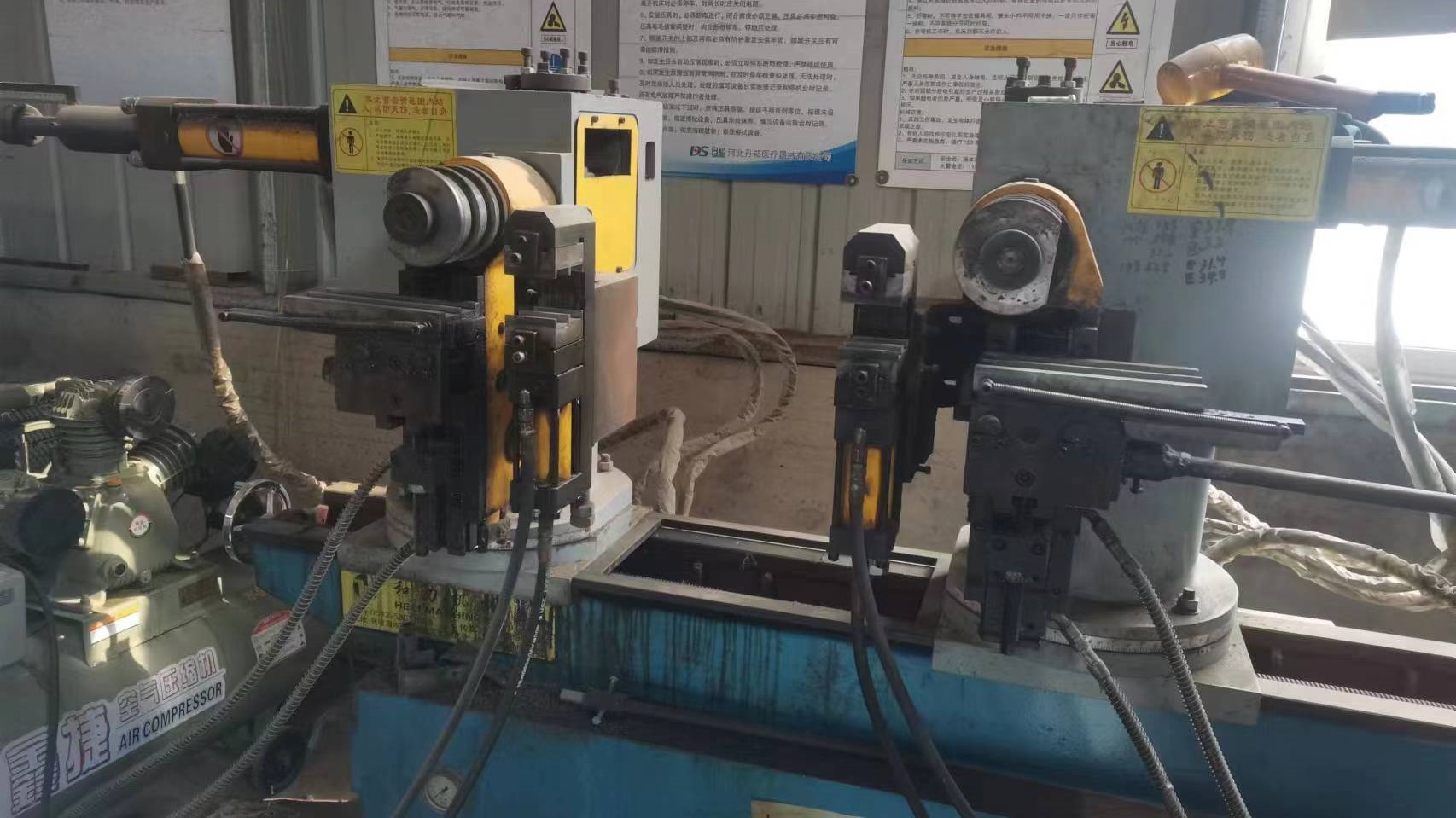
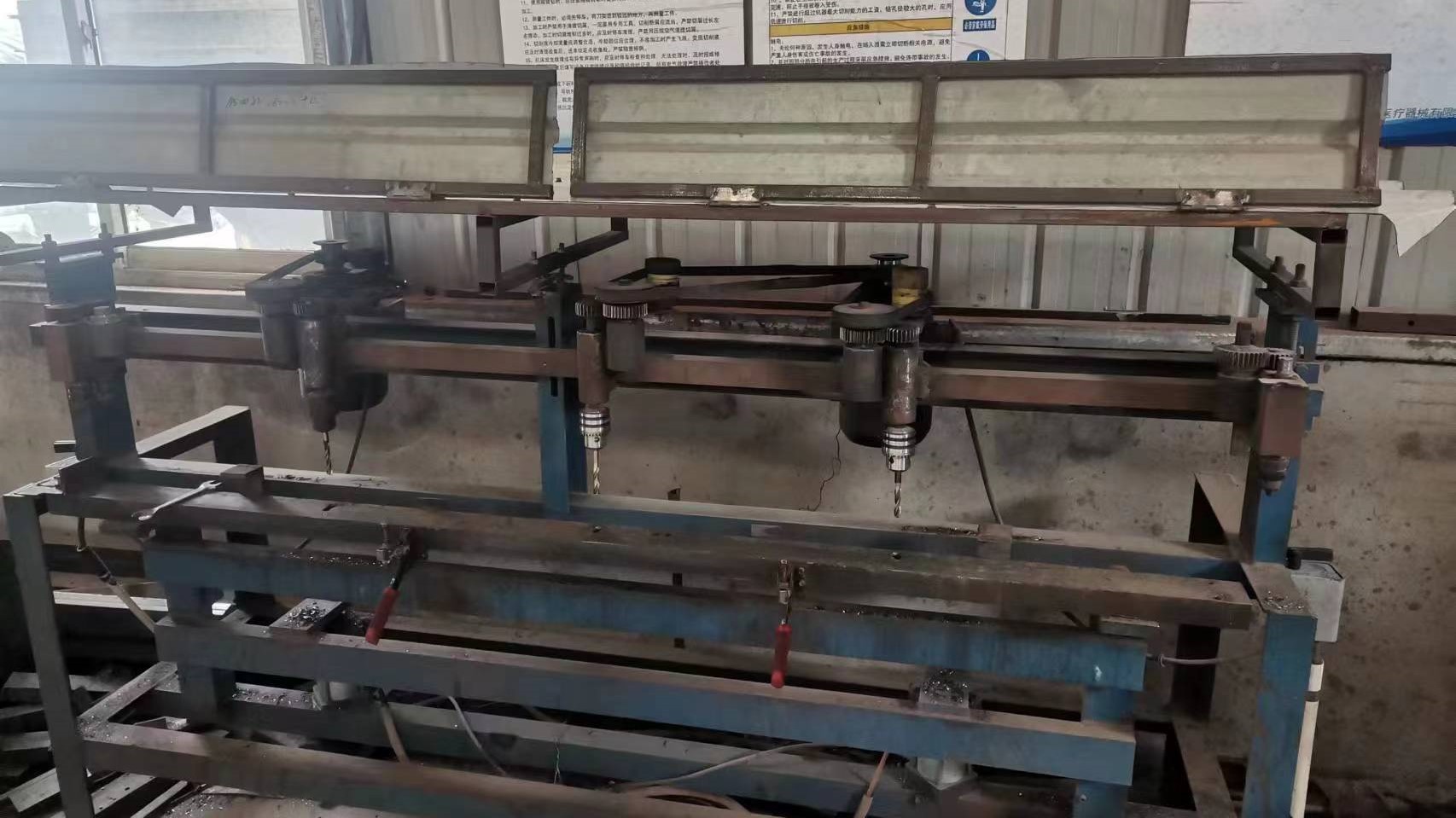
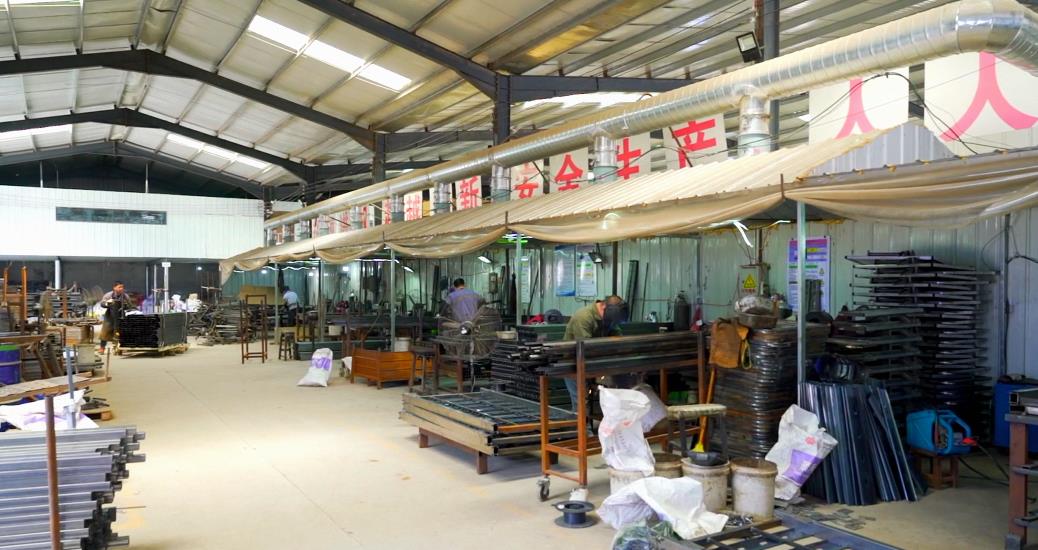
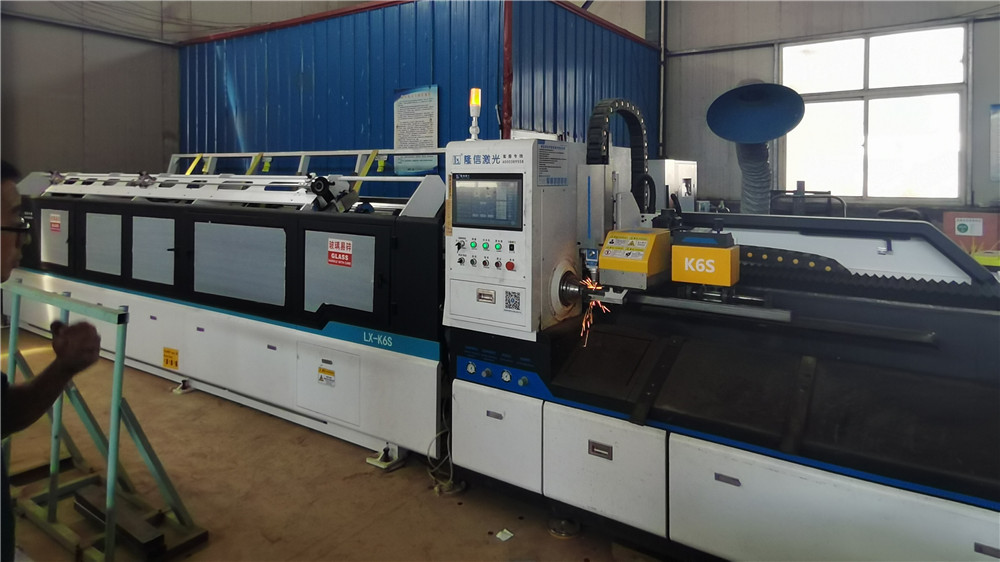
Inside Suzhou Welcare’s state-of-the-art facility: Ensuring structural integrity at every stage of production
Evaluating Supplier Capabilities Across Structural Integrity, Powertrain Technology, and Certification
Selecting a top-tier mobility equipment manufacturer requires analyzing specific technical criteria. As a global supplier, Suzhou Welcare utilizes advanced alloy processing and testing methods. The selection matrix below compares the top classes of compact electric wheelchairs based on frame design, weight distribution, motor type, and battery systems.
| Wheelchair Model Class | Frame Material | Motor & Drive System | Braking Mechanism | Aviation Approval Status |
|---|---|---|---|---|
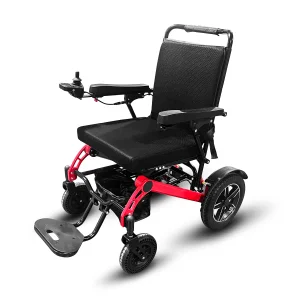
| Intelligent Travel Series | 6061 Aerospace Aluminum | 250W * 2 Brushless Motors | Electromagnetic (EABS) | ✔ UN38.3 Compliant (24V 12Ah Lithium) |
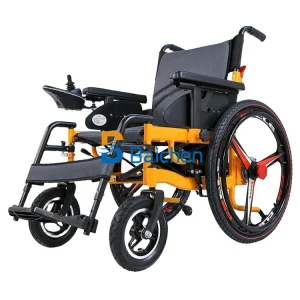
| Heavy Duty All-Terrain | Reinforced Carbon Steel / Aluminum | 300W * 2 Dual-Drive Motors | EABS & Manual Backup | ✔ UN38.3 Compliant (24V 20Ah Lithium) |
| Ultra-Light Carbon Fiber | T700 Premium Carbon Fiber | 180W * 2 High-Efficiency Motors | Intelligent Electromagnetic | ✔ Flight Certified (24V 6Ah * 2 Dual) |
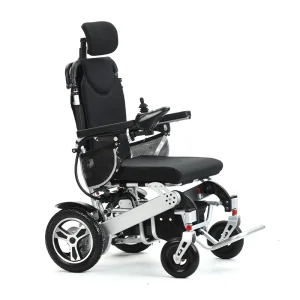
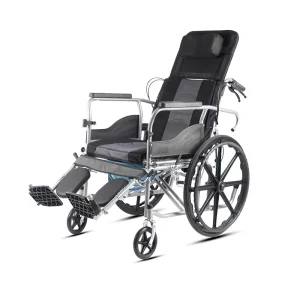
| Reclining / Tilt-In-Space | Reinforced Steel & Aluminum Alloy | 250W * 2 Brushless Motors + Actuators | Electromagnetic System | Clinical/Homecare Focused |
China's dominance in the electric wheelchair market is supported by integrated industrial clusters, primarily in Jiangsu, Zhejiang, and Guangdong. Suzhou Welcare operates at the center of the Yangtze River Delta medical equipment hub. This proximity allows for direct access to key resources:
Addressing the E-E-A-T Paradigm: Safety, Certifications, and Global After-Sales Frameworks
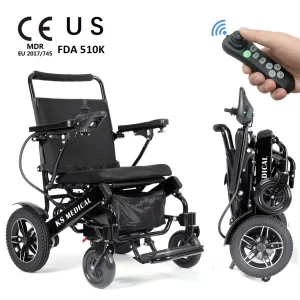
For medical devices, trust and authority (E-E-A-T) are critical. Power wheelchairs are Class II medical devices in the US (FDA) and Class I/IIa in the European Union (MDR). Sourcing teams must ensure their supplier possesses valid, verifiable certifications. Without these, import shipments face seizure by customs authorities.
1. United States Market (FDA 510k): To legally market an electric wheelchair in the USA, manufacturers must show substantial equivalence to a predicate device. Suzhou Welcare products undergo comprehensive testing, including static stability, dynamic stability, fatigue, and electromagnetic compatibility (EMC).
2. European Union (CE MDR 2017/745): European compliance requires a Clinical Evaluation Report (CER), an updated Risk Management File (ISO 14971), and registration with EUDAMED. Sourcing teams should request the Declaration of Conformity referencing the Medical Device Regulation (MDR) rather than the outdated Medical Device Directive (MDD).
3. Airline Travel Regulations (IATA & UN38.3): For travel-focused wheelchairs, the lithium-ion batteries must not exceed a specific watt-hour (Wh) rating. Typically, a single battery under 300Wh or dual batteries under 160Wh each are permitted. The manufacturer must supply the UN38.3 test report alongside the Material Safety Data Sheet (MSDS).
After-sales support is a common operational bottleneck for B2B buyers. Shipping a defective unit back to China for repair is cost-prohibitive. Top suppliers address this by implementing a structured localized support strategy:
Evaluating Tech Innovations Shaping the Compact Power Mobility Market
The electric wheelchair industry is shifting toward smart technology integration. Modern R&D centers are moving beyond simple mechanical design to incorporate advanced driver-assistance systems.
IoT and Smart Diagnostics: Integration of GPS and Bluetooth modules allows fleet owners (e.g., rental companies and airport service providers) to monitor battery health, location, and mechanical status in real time.
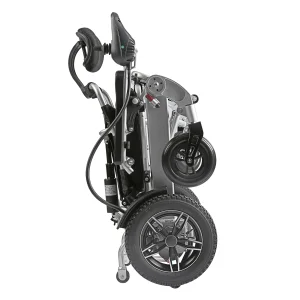
Automatic Folding Systems: Electromagnetic actuators enable folding via mobile app or remote control, improving usability for caregivers and individuals with limited hand dexterity.
Ultralight Carbon Fiber Technology: While aircraft-grade aluminum remains the standard for durability and cost, premium travel wheelchairs increasingly utilize T700 carbon fiber frames. This reduces the base weight to under 15kg without compromising structural integrity.
Optimizing Sourcing Decisions for Healthcare, Retail, and Fleet Operations
Selecting the appropriate compact electric wheelchair depends heavily on its intended use environment. B2B buyers must align their product choices with their specific customer base:
Retail buyers prioritize ease of transport, storage, and visual appeal. Features like quick-folding, lightweight frames (under 25 kg), and integrated USB ports for charging personal devices drive retail sales. Dual lithium batteries ensure users can travel long distances with peace of mind.
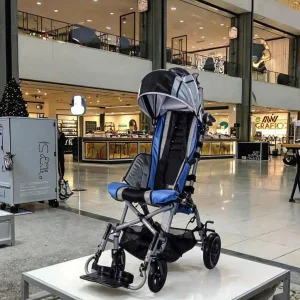
Clinical applications require easy-to-clean materials, high weight capacities, and pressure-relieving seat cushions. Tilt-in-space models and electric reclining functions help manage pressure distribution for patients with spinal cord injuries or cerebral palsy.
Transit operators prioritize durability and ease of maintenance. Key requirements include non-marking solid tires, durable carbon-steel or reinforced aluminum frames, simple controls, and electromagnetic braking systems that automatically stop the vehicle on ramps when control is released.
Addressing Crucial Questions Asked by Professional Procurement Teams
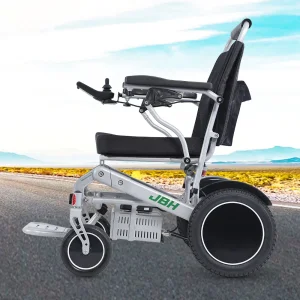
High-reliability transit and lightweight options built for global distribution standards.