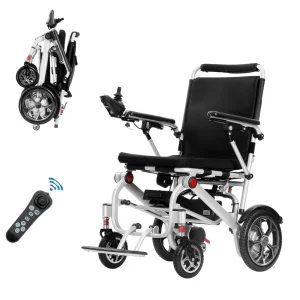
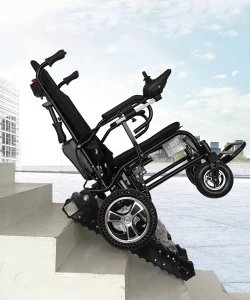
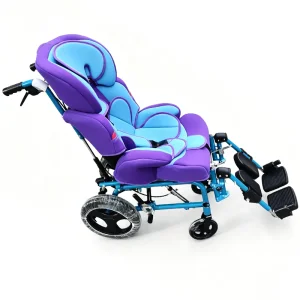
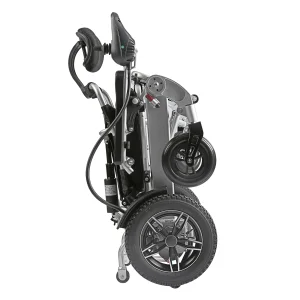
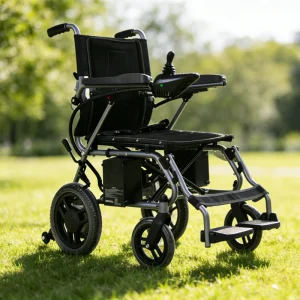
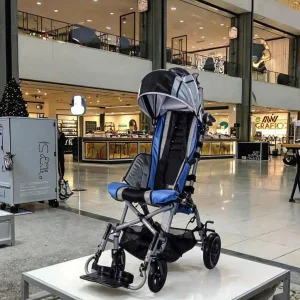
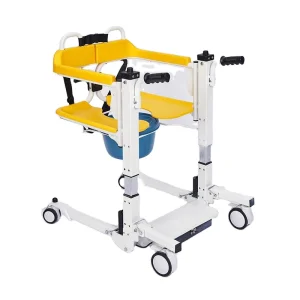
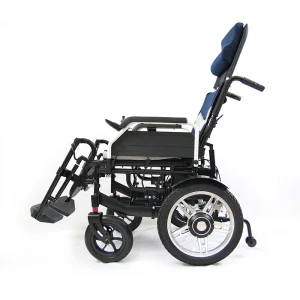
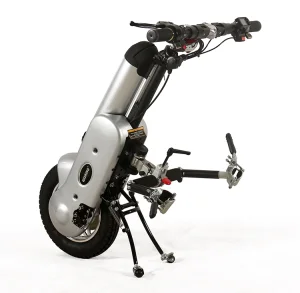
Optimized for urban corridors, clinics, and long-term care rehabilitation across Nigeria and West Africa.
Nigeria, as the most populous nation and one of the largest economies in Africa, is experiencing a fundamental shift in its approach to healthcare and rehabilitative services. For decades, the assistive technology sector in Nigeria relied heavily on standard, basic manual wheelchairs. However, prolonged immobility in static seating poses significant health risks, including pressure injuries (decubitus ulcers), postural deformities, and respiratory difficulties.
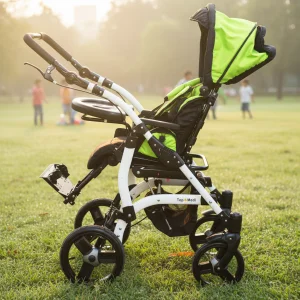
Today, municipal hospitals, private rehabilitation clinics, and non-governmental organizations (NGOs) across Lagos, Abuja, Port Harcourt, and Kano are recognizing the therapeutic necessity of Tilt-in-Space (TIS) technology. Unlike standard wheelchairs that only recline the backrest, a Tilt-in-Space electric wheelchair shifts the angle of the seat and backrest together relative to the ground. This preserves the critical angles at the user's hips, knees, and ankles, dispersing body weight across a broader surface area and reducing shearing forces on the sacrum and ischial tuberosities.
Medical practitioners in West Africa face distinct challenges: high ambient temperatures, varying terrain qualities, and a high incidence of neurologic conditions such as stroke, cerebral palsy, and spinal cord injuries (SCI). The adoption of motorized tilt-in-space systems enables patients to achieve independence while mitigating the physical strain on local caregivers. By sourcing directly from a leading China factory like Suzhou Welcare, Nigerian distributors can secure medical-grade, highly durable mobility solutions configured to withstand tropical climates and challenging roads.
This medical-grade mobility technology is vital for individuals suffering from:
Custom designs engineered for delicate posture support and heavy-duty reliability.
How Suzhou Welcare aligns technology, compliance, and logistics to meet international purchasing mandates.
B2B buyers, including hospitals, ministries of health, and NGOs operating in Nigeria, mandate strict compliance with global quality guidelines. All Welcare power mobility units are manufactured in alignment with CE, FDA, and ISO 13485 standards, facilitating seamless integration with SONCAP (Standards Organisation of Nigeria Conformity Assessment Program) requirements.
The global shift from heavy Lead-Acid batteries to lightweight, high-capacity Lithium Iron Phosphate (LiFePO4) or Lithium-Ion packs demands superior BMS (Battery Management Systems). We offer UN38.3 certified batteries equipped with overcharge, thermal, and deep-discharge protection, guaranteeing safe maritime and air freight transit to West African ports.
Procurement teams require components that are globally standard and locally replaceable. By integrating industry-standard brushless motors, PG Drives Technology controllers, and modular chassis systems, we ensure that maintenance, local technical training, and spare parts sourcing remain simple and cost-efficient for Nigerian partners.
Empowering global mobility through precision manufacturing, automated robotics, and strict quality control.
Founded with a commitment to improving mobility and enhancing quality of life, Suzhou Welcare Wheelchair Co., Ltd. is a professional manufacturer and global supplier of mobility solutions, specializing in electric wheelchairs, power mobility devices, and rehabilitation equipment. At Welcare, we believe that mobility is the foundation of independence and dignity. Guided by our philosophy of combining advanced technology with human-centered design, we are dedicated to developing innovative, safe, and reliable products that empower individuals with mobility challenges, seniors, and rehabilitation users to live more active and fulfilling lives.
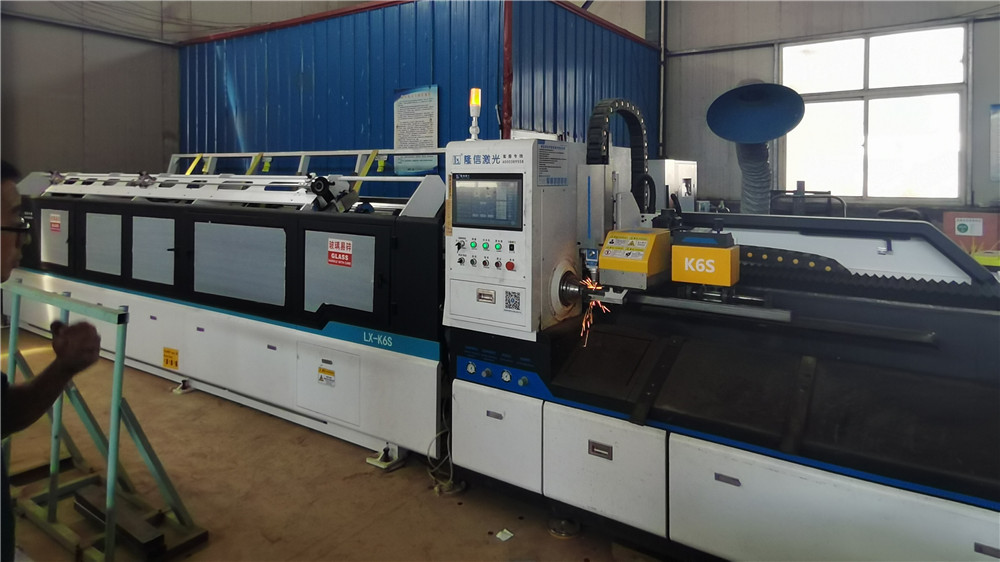
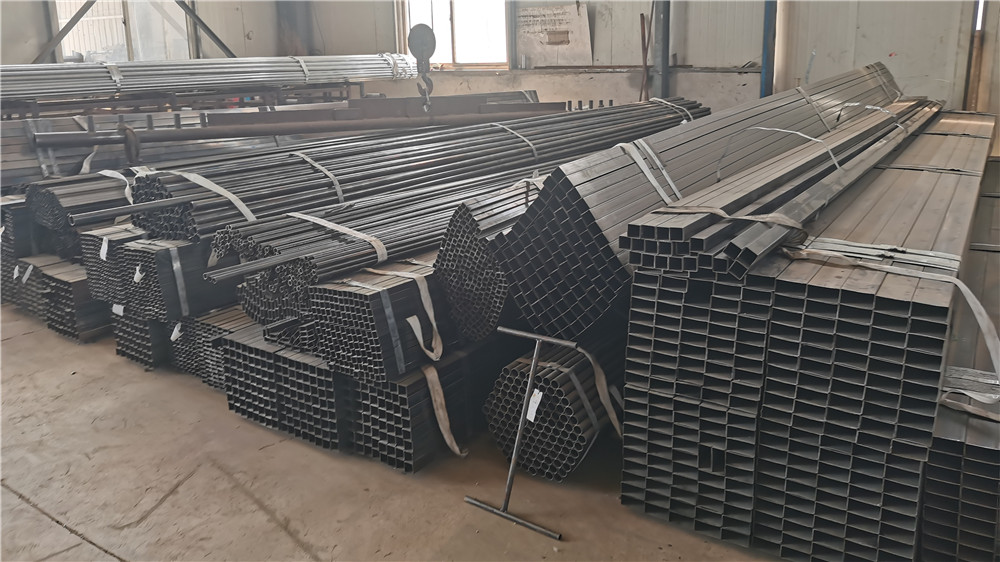
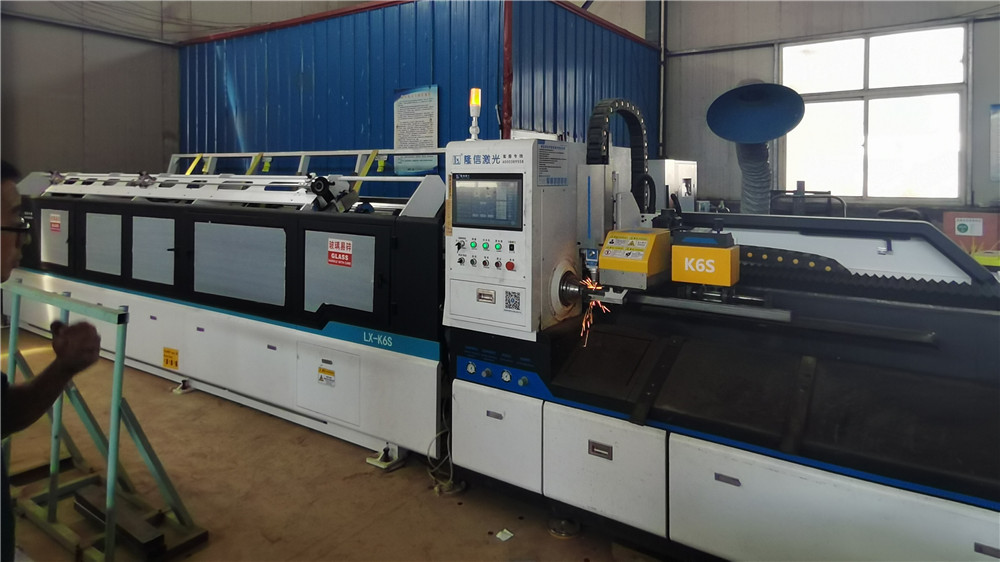
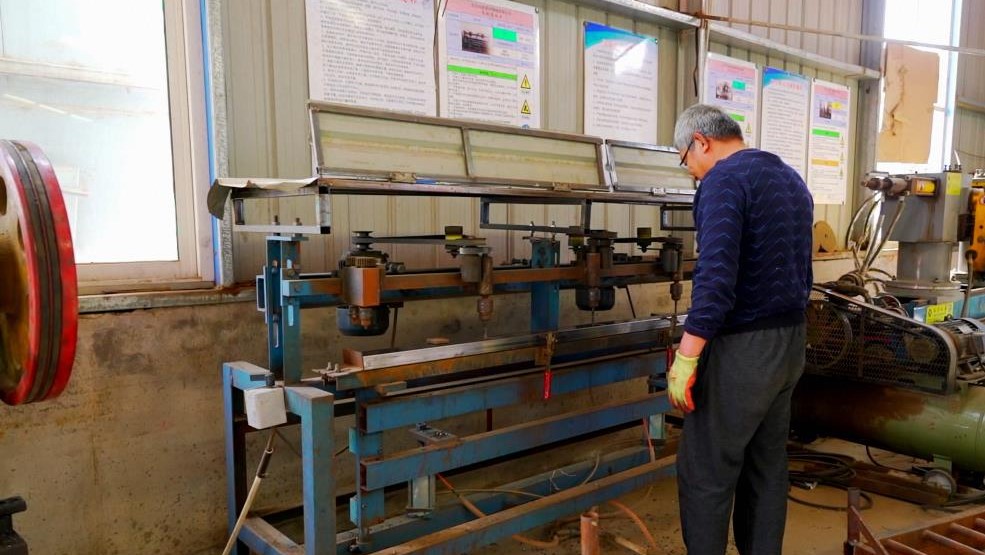
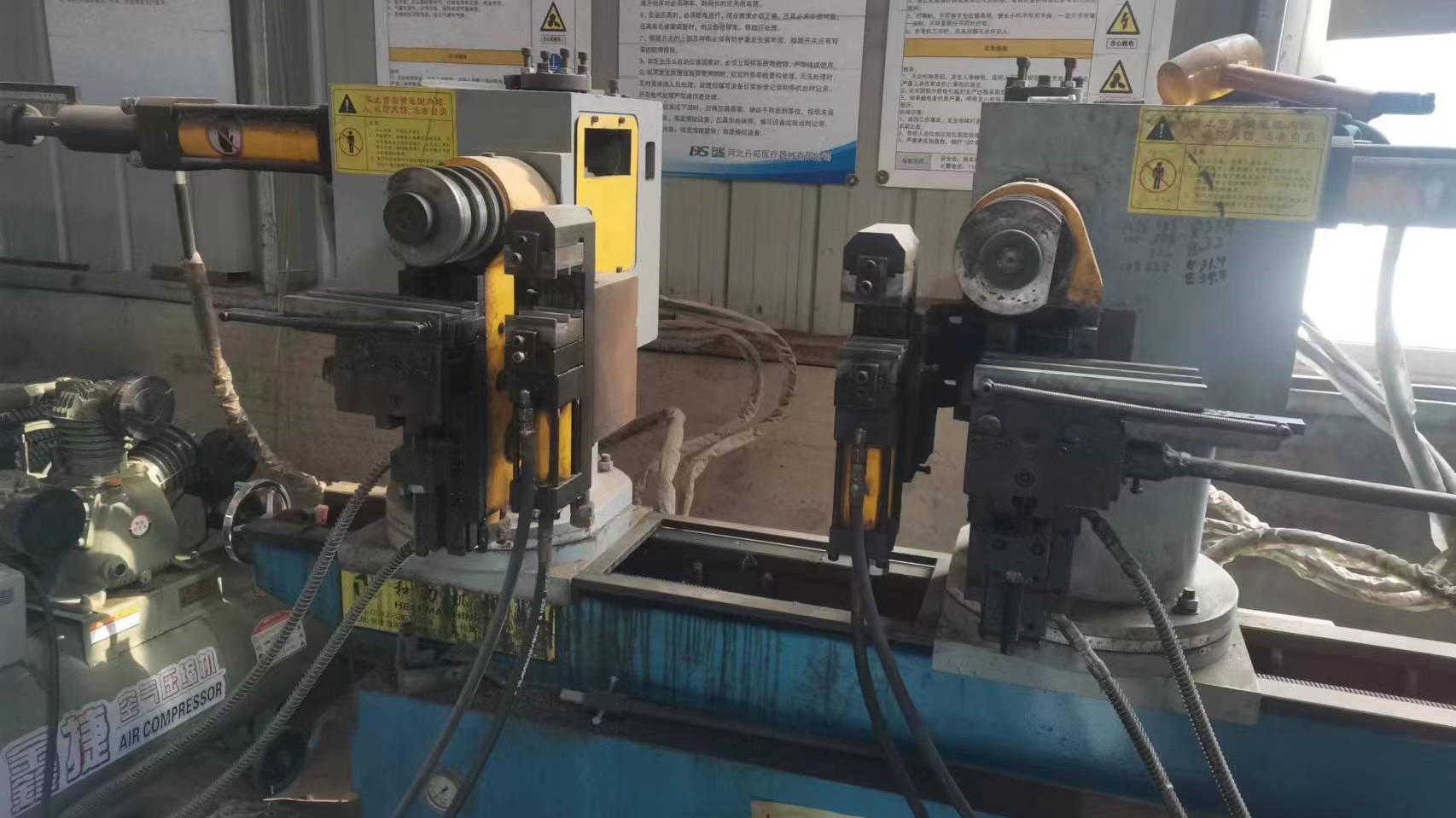
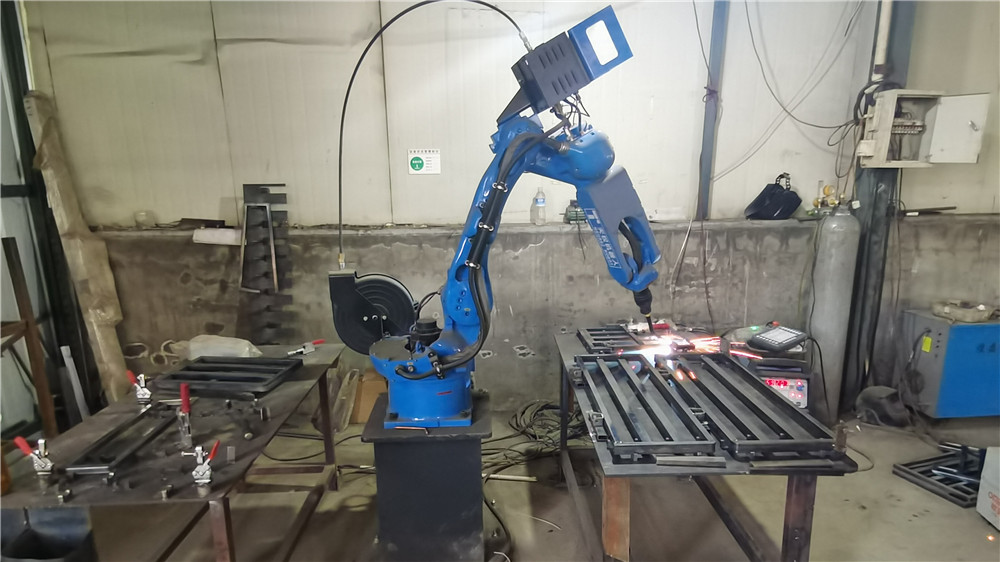
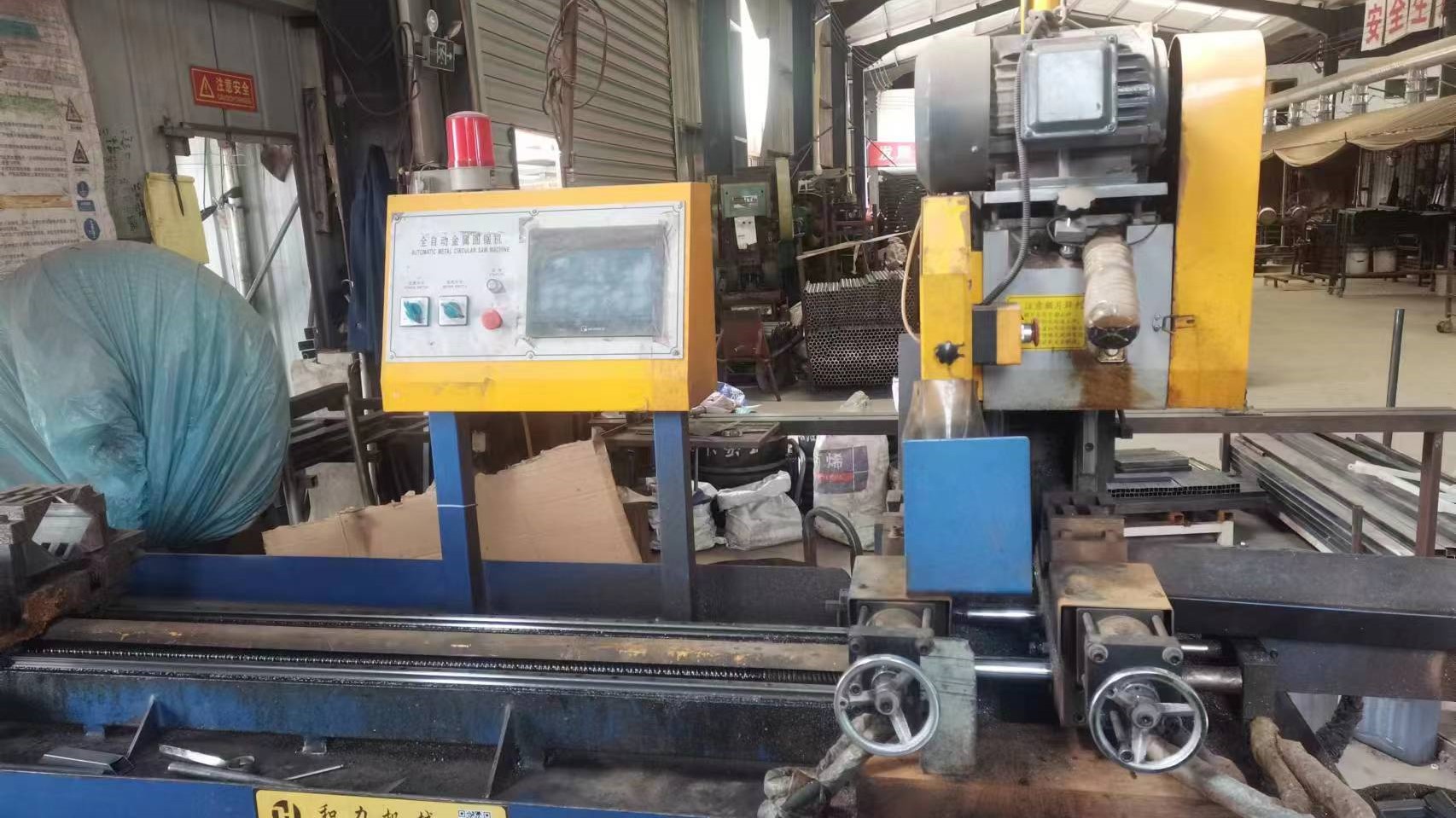
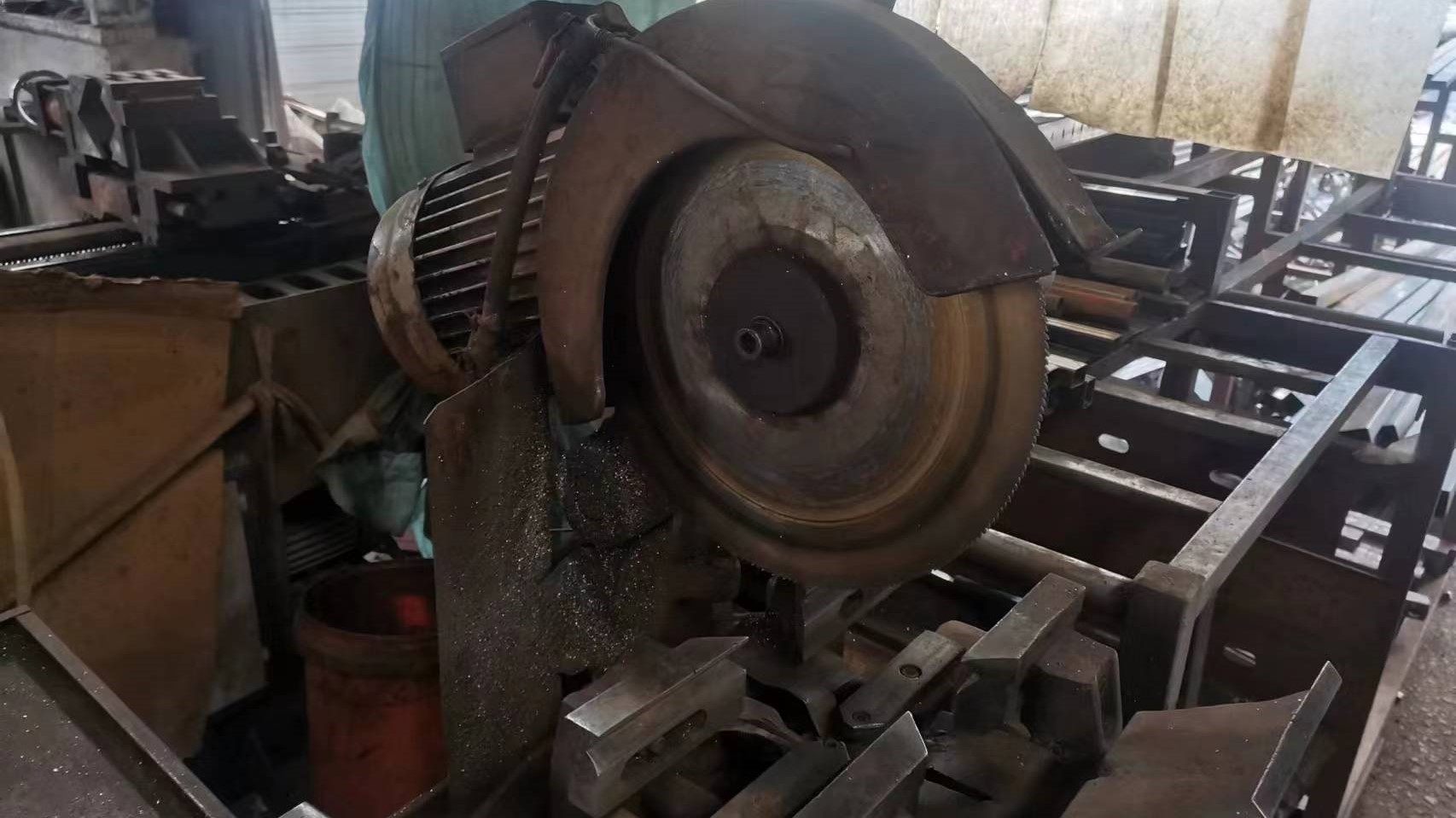
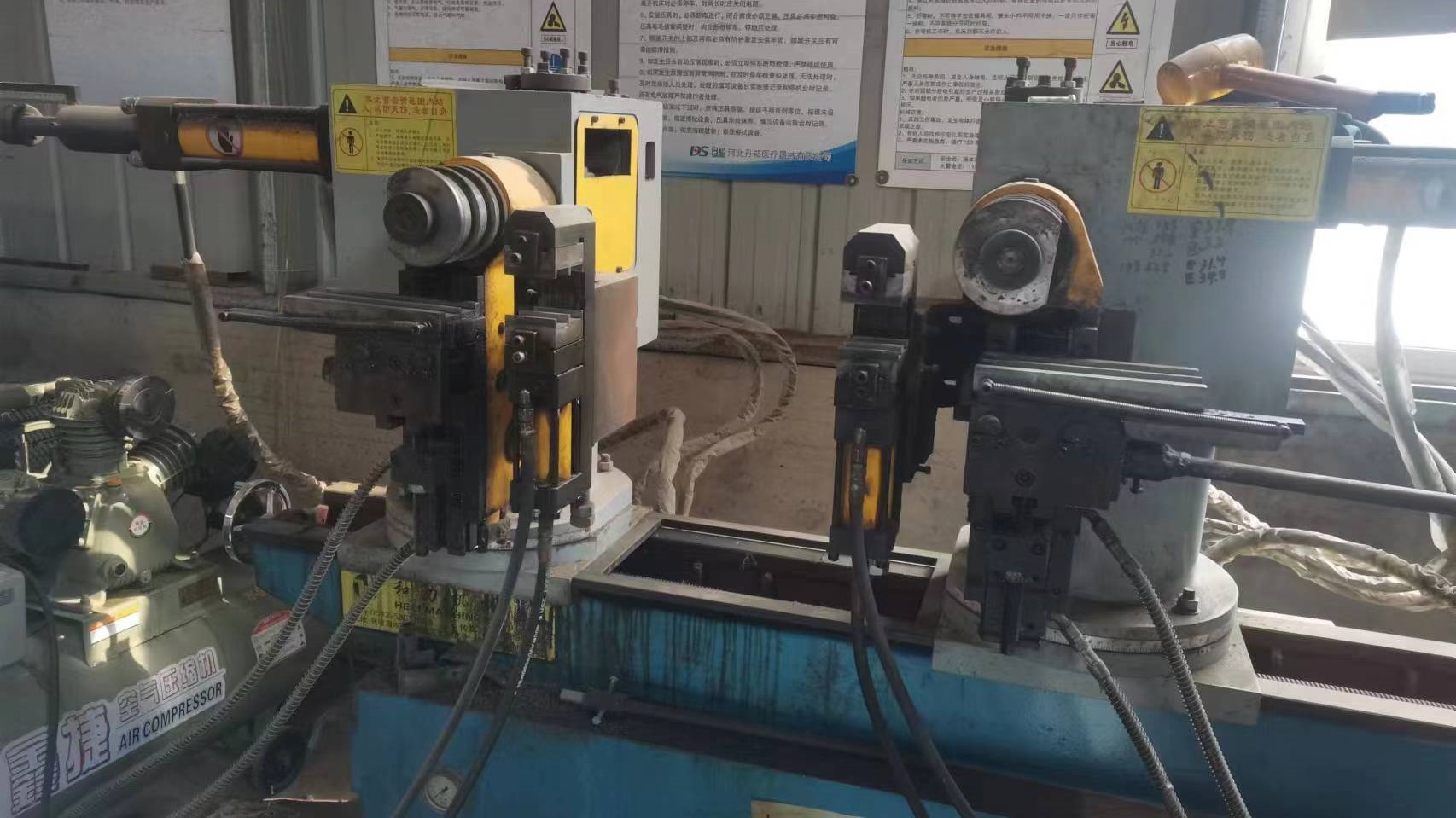
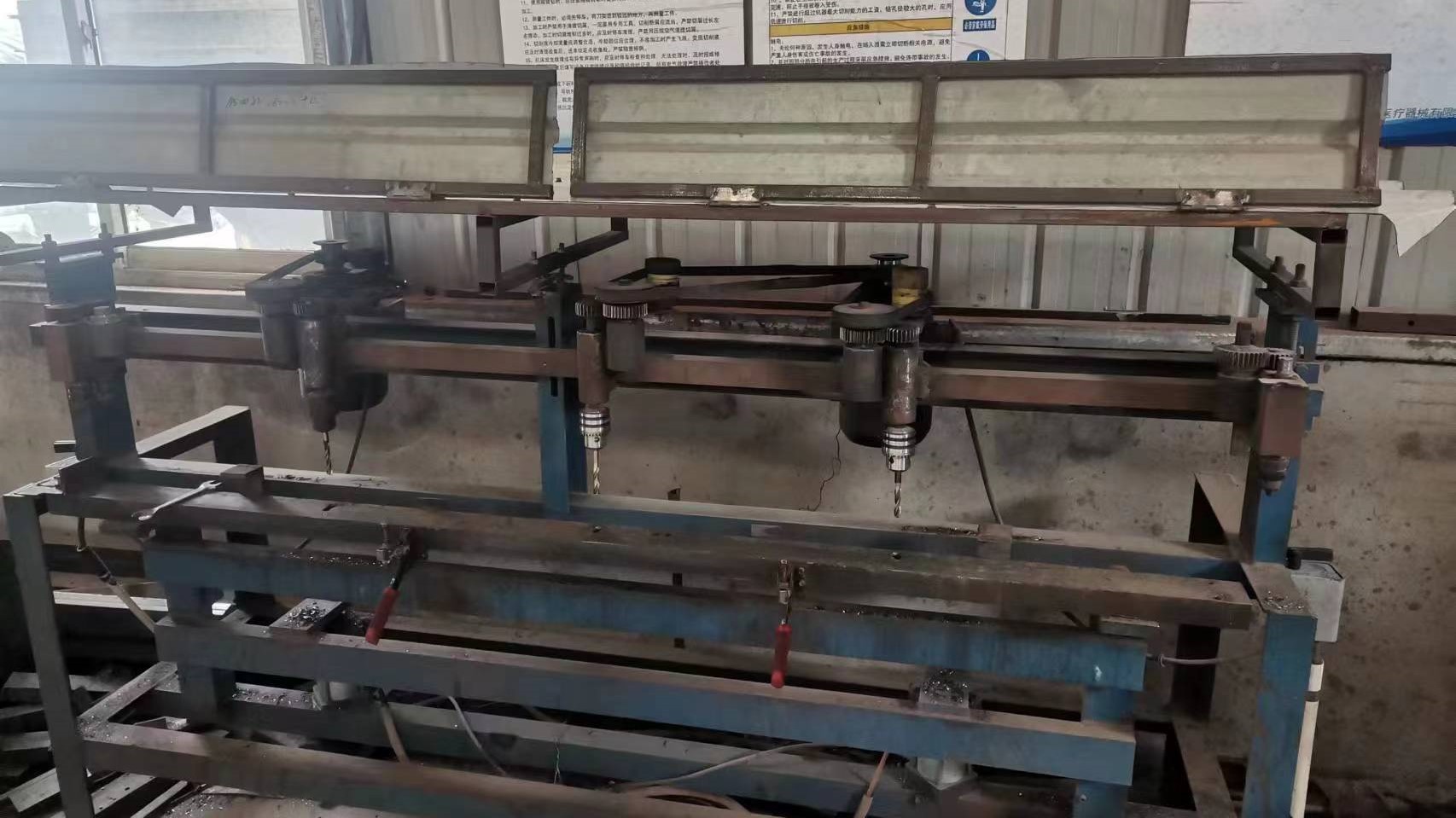
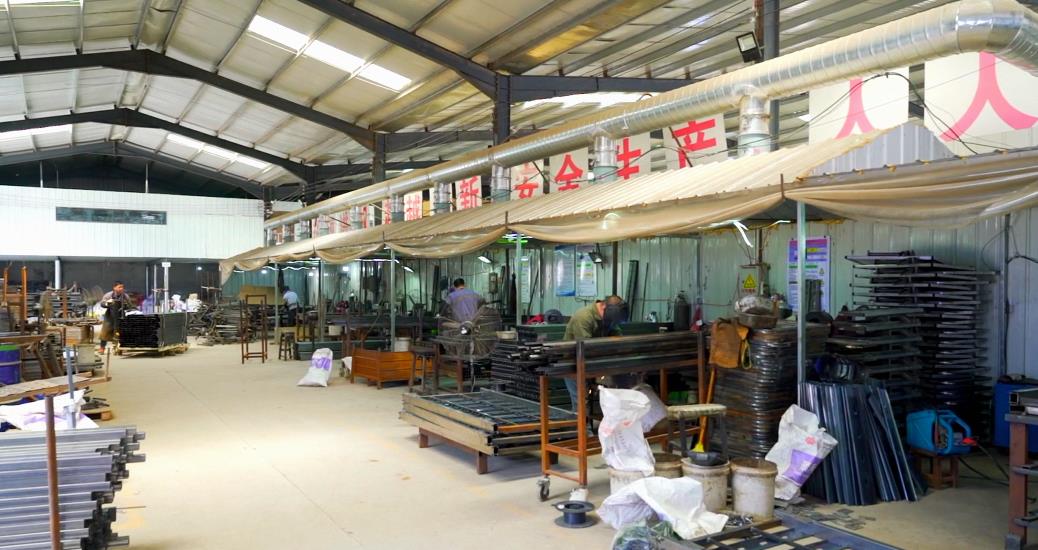
Our Factory 4.0 setup in Suzhou utilizes state-of-the-art robotic processing, from high-precision laser cutting of aerospace-grade aluminum tubes to fully automatic welding systems. By automating critical steps, we eliminate manual human error, maintaining structural integrity across every single batch. This is critical for Nigerian importers who require products capable of navigating uneven city pavements and rural roads.
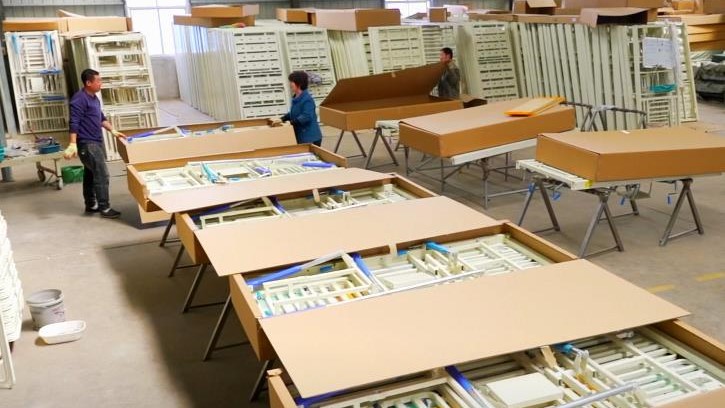
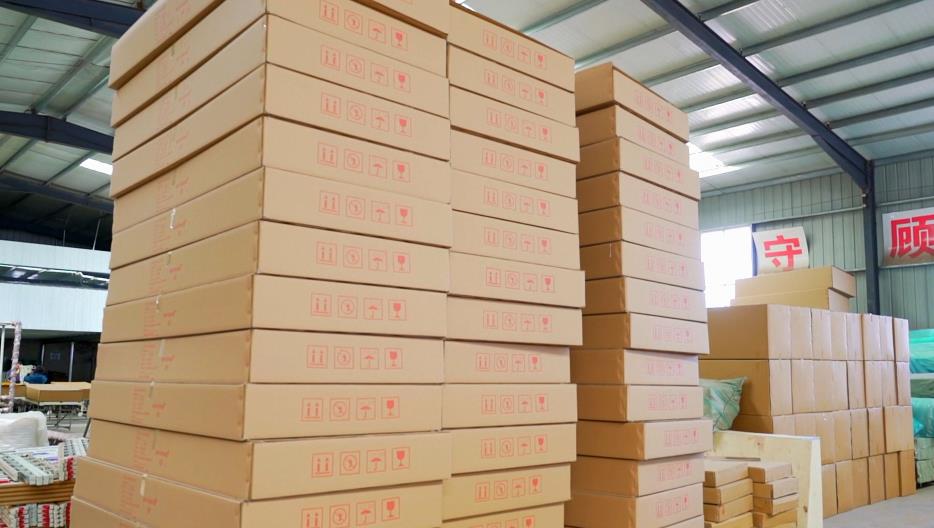
Every wheelchair that rolls out of our facility undergoes a strict manufacturing and quality assurance checklist. Here is an inside look at our Suzhou production ecosystem, utilizing specialized automated machinery:
Engineered to adapt to environmental realities, power grids, and local transport networks.
Whether navigating the busy, pothole-ridden side streets of Ikeja or semi-urban pathways in northern regions, mobility equipment must be robust. Our wheelchairs utilize large, anti-puncture, high-traction polyurethane (PU) solid tires combined with independent shock absorption struts. This prevents structural wear and tear while insulating the passenger from severe bone-jarring impact.
Nigeria’s coastal zones (e.g., Lagos, Delta State) present salty, high-humidity air, while the northern regions experience dry, dusty Harmattan winds. We apply double-layer electrostatic powder coating to the aluminum frames, which acts as a barrier against corrosion, oxidation, and abrasive dust buildup in the mechanical hinges.
Unstable grid electricity makes battery management highly critical. Our intelligent battery chargers are designed with wide input voltage compatibility (100V-240V AC) and built-in surge protection. This guards the battery cells against damage from power fluctuations and ensures complete, safe recharges when generator power is utilized.
Browse our complete list of clinical, pediatric, and heavy-duty electric wheelchairs, shipped directly from Suzhou, China.
Get professional answers regarding shipping, customization, compliance, and warranty policies.