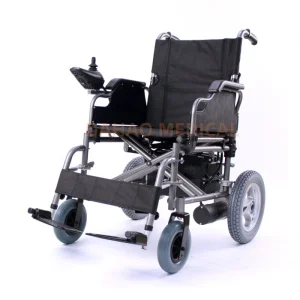
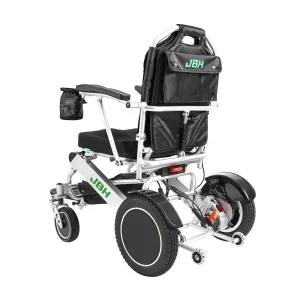
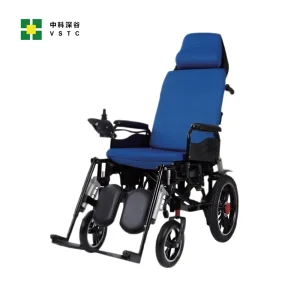
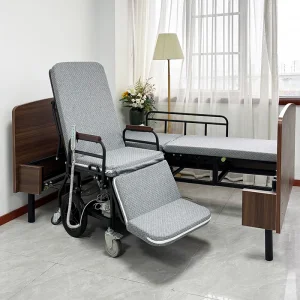
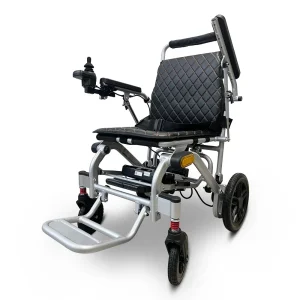
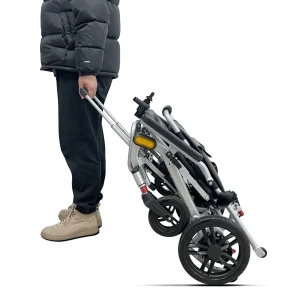
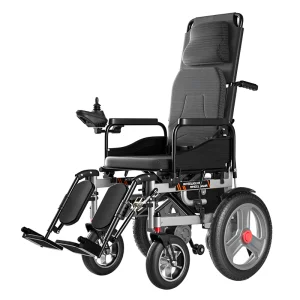
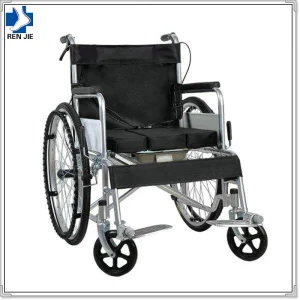
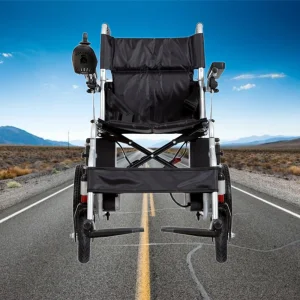
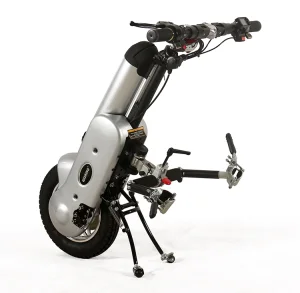
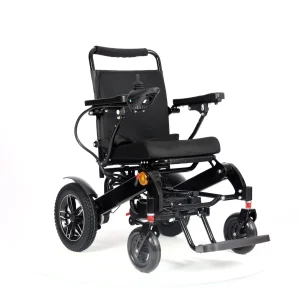
The global electric scooter and mobility aid market is witnessing an unprecedented transformation. Driven by the "Universal Battery" concept, manufacturers are shifting towards interchangeable lithium-ion energy systems that prioritize long-range efficiency and safety. In 2024, the demand for lightweight, foldable, and high-torque electric drive solutions has surged by 35% globally, particularly in aging societies like Europe and North America.
Information Gain: Unlike traditional lead-acid systems, modern Universal Battery Scooters utilize NCM (Nickel Cobalt Manganese) or LiFePO4 chemistry, offering 3x the energy density and 5x the cycle life, significantly reducing the Total Cost of Ownership (TCO) for end-users.
IoT-enabled battery management systems (BMS) are now standard. Users can monitor battery health, GPS location, and range via mobile apps, providing peace of mind and proactive maintenance alerts.
Manufacturers are adopting "Circular Economy" principles, using recyclable aluminum alloys and implementing battery take-back programs to comply with the EU’s New Battery Regulation.
For global suppliers, meeting ISO 13485 (Medical Devices) and EN 12184 standards is no longer optional—it is the baseline for entering the high-end mobility market.
Founded with a commitment to improving mobility and enhancing quality of life, Suzhou Welcare Wheelchair Co., Ltd. is a professional manufacturer and global supplier of mobility solutions, specializing in electric wheelchairs, power mobility devices, and rehabilitation equipment.


Global buyers from healthcare institutions and distributors require more than just a product; they require a "Total Solution." This involves:
The future of the Universal Battery Electric Scooter industry lies in three pillars:
Compliance with FDA Class II medical device listings and UL 2272 battery safety certification ensures reliability for the US and Canadian markets.
Adherence to the new Medical Device Regulation (MDR) and CE marking is crucial for free movement within the EEA.
Tailoring products for tropical climates with enhanced waterproofing (IPX5+) and heat dissipation for lithium batteries.
A: It allows users and fleet operators to swap batteries between different models, reduces maintenance complexity, and ensures that spare batteries are readily available globally.
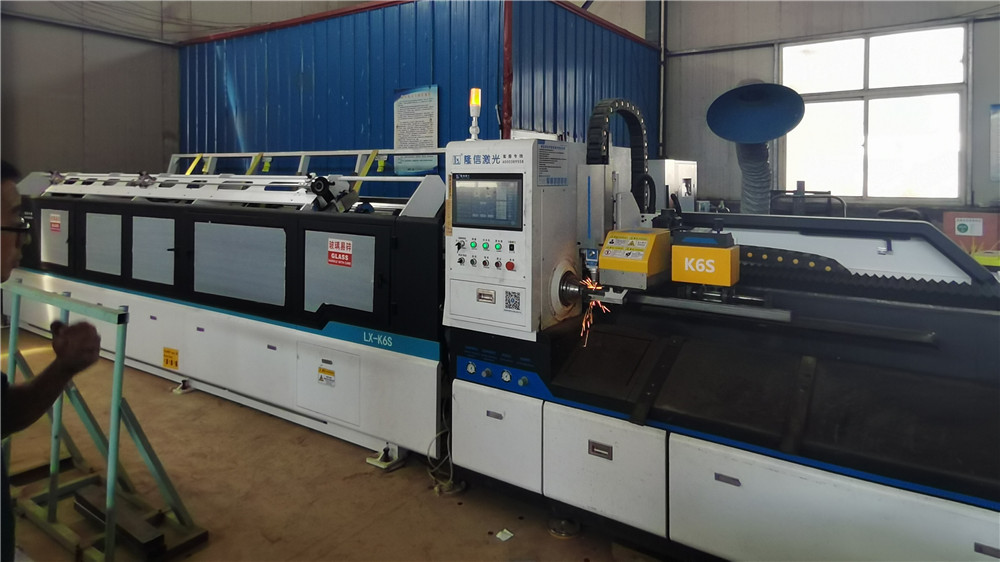
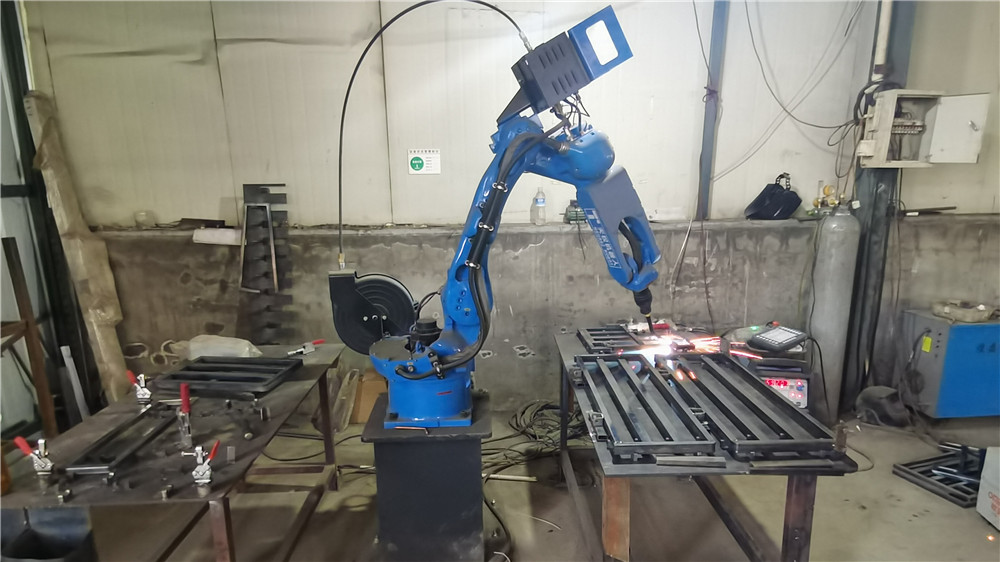
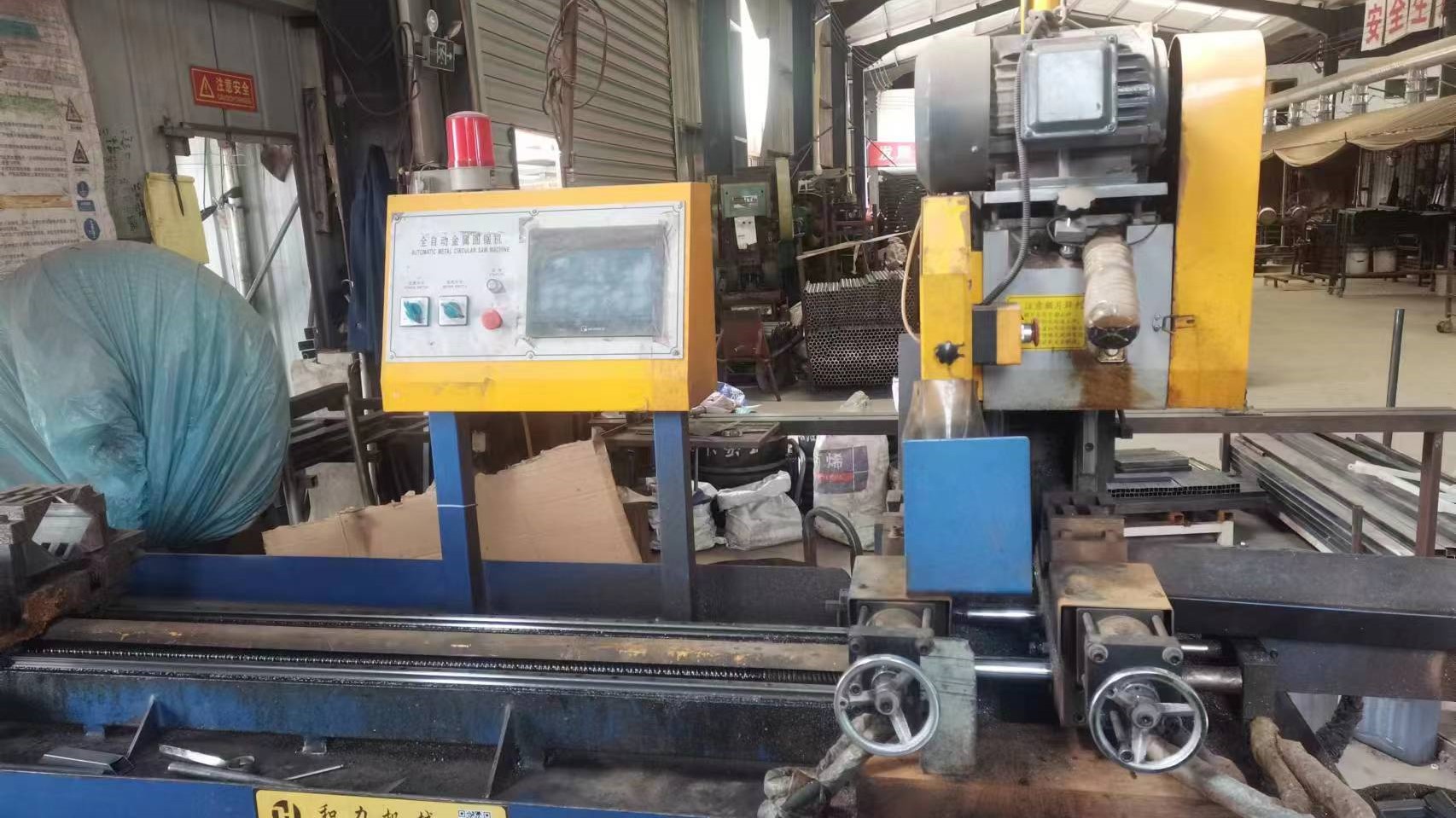
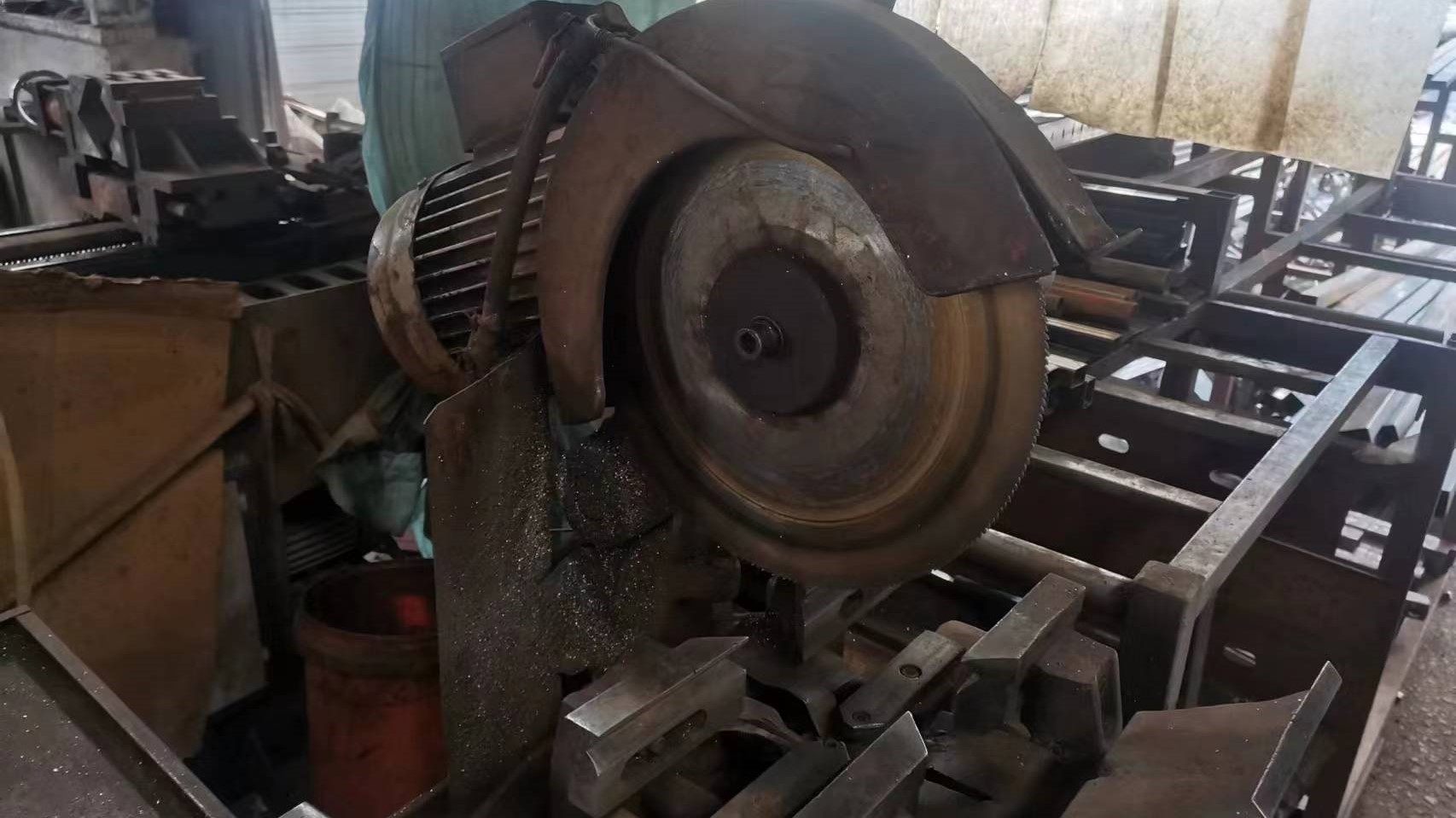
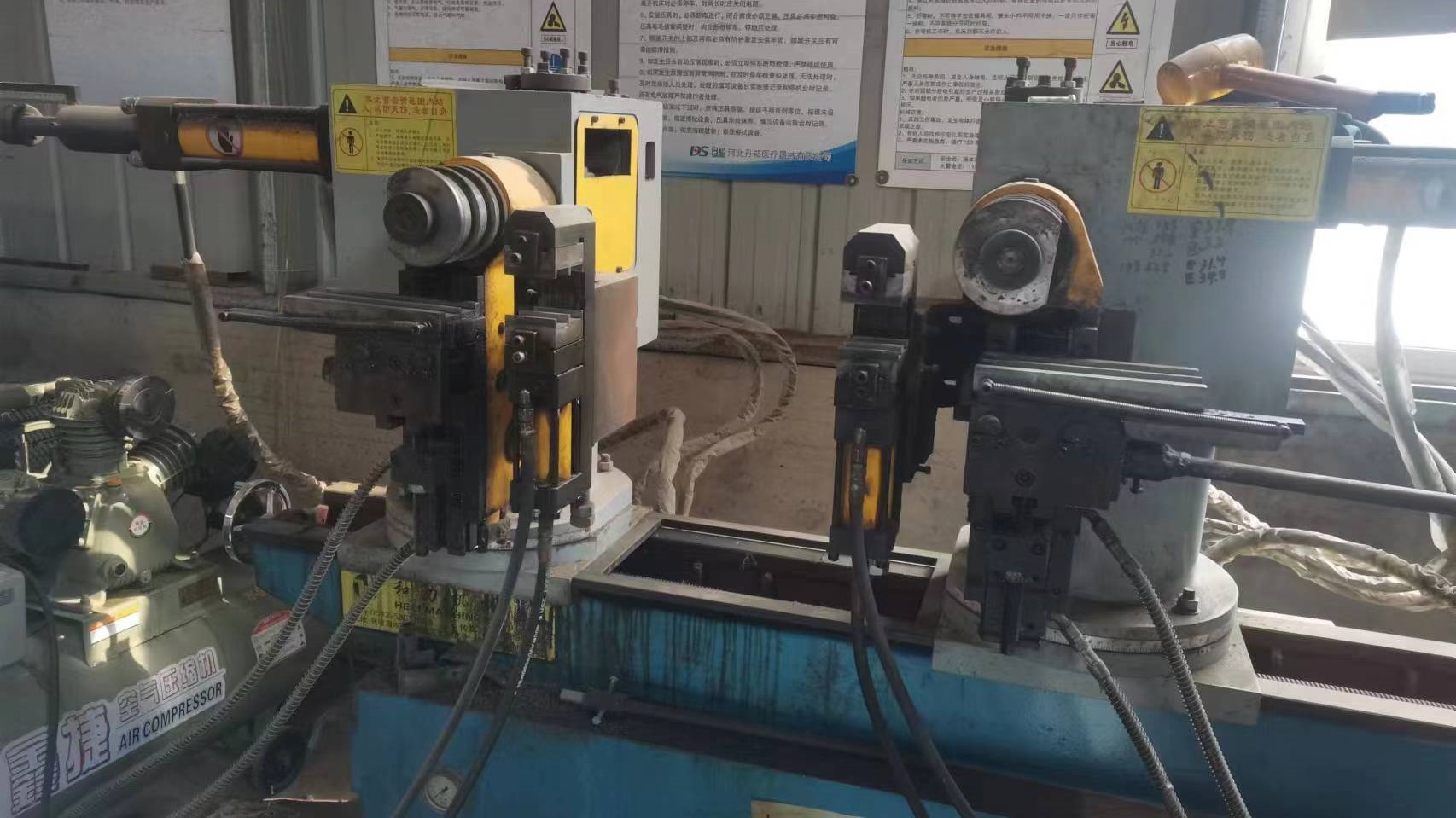
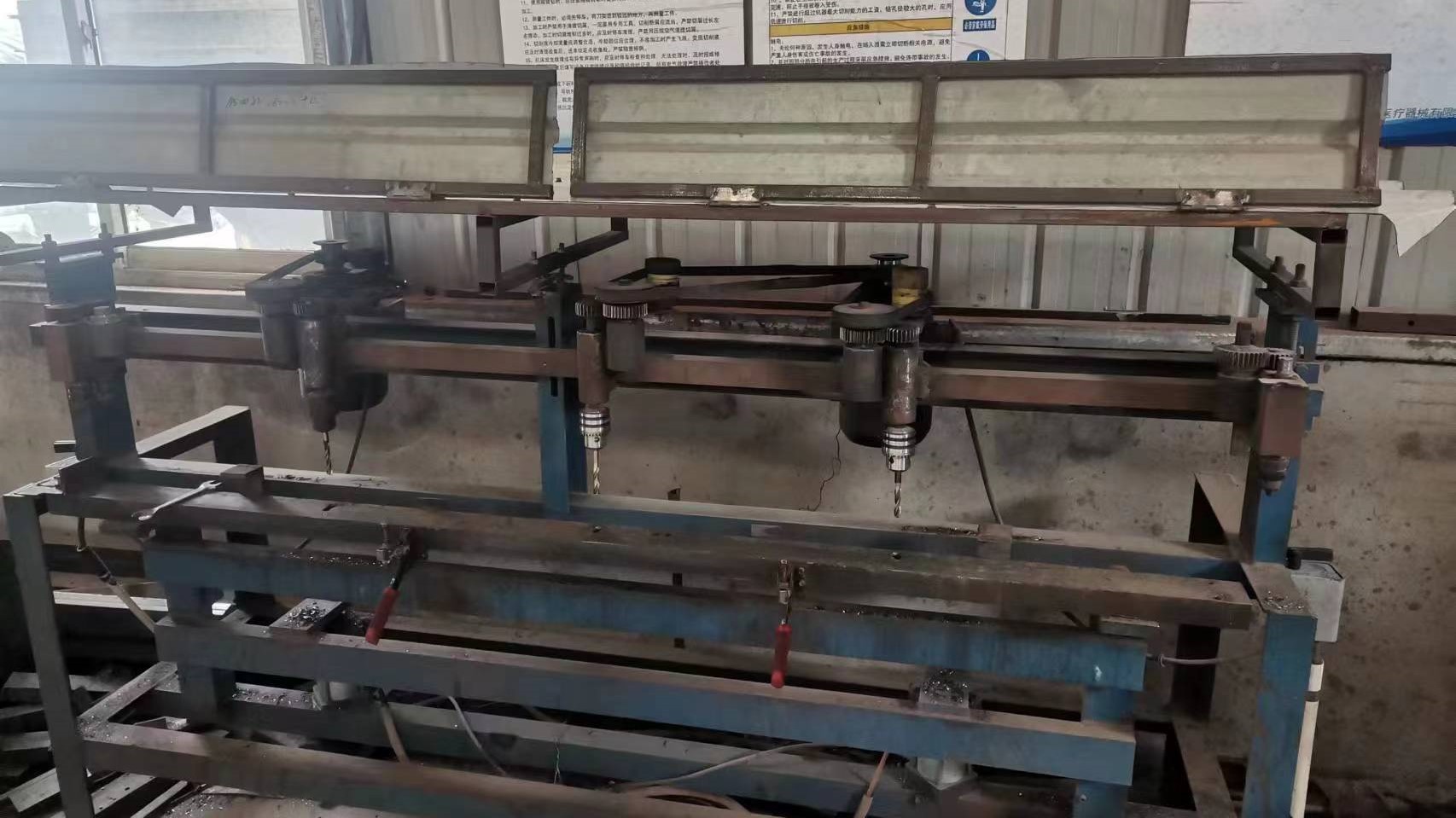
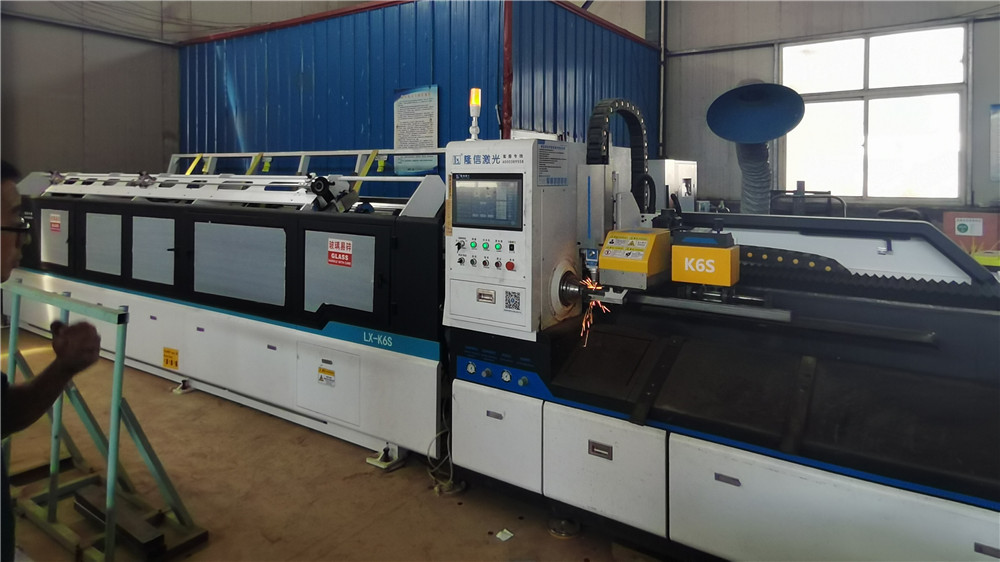
A: We use high-precision automated laser cutting and welding, combined with German-engineered OKIN motors and brushless DC technology, followed by a 100% rigorous stress test for every unit.
A: Most our folding lightweight models use lithium batteries that are UN38.3 certified. We provide specific travel batteries that comply with airline safety regulations (usually under 300Wh or 160Wh depending on the carrier).
A: Our high-grade lithium cells are rated for 800-1000 full charge cycles, which typically equates to 3-5 years of daily use before capacity drops below 80%.